Australia’s social media ban puts free speech on the chopping block
December 10, 2025
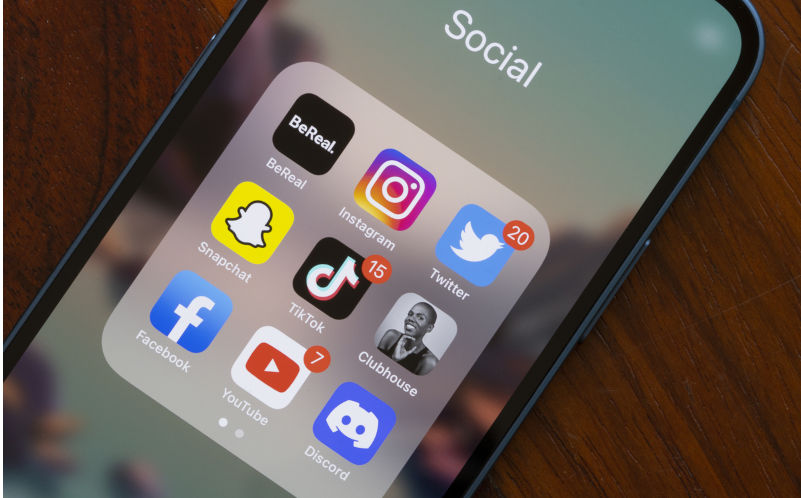
Australia’s social media ban for under-16s is being sold as a protection for children, but it raises serious questions about free speech, democratic participation and the perverse effects of prohibition.
Today Australia will create history as the first nation in the world to impose a social media ban for children and young people who are under 16.
This policy initiative has been driven largely by News Limited’s ‘Let them be kids’ campaign. The Albanese government jumped on board quickly, no doubt seeing the voting winning potential of what will turn out to be an ineffective solution, and with perverse consequences, to what is perceived to be the increasing negative impacts of social media on young minds.
Not all sites are subject to the ban (the E-Safety Commissioner doesn’t like the term ‘ban’ but that is what it is), for example some education sites.
There are two aspects from a legal perspective that make this ban problematic. The first – and this issue is now the subject of High Court proceeding – is the issue of freedom of speech. The second is that, as we know from government efforts to prohibit the use of drugs, blanket bans on goods and services creates a lucrative black market opportunity.
While the ban does not criminalise use of social media by those under 16 it is not hard to see, if the scheme does not work as intended because parents still enable access for their children, that governments will, as per usual, not resist legislating to make it a criminal offence for parents to allow their children access to social media.
The issue of freedom of speech and, in the Australian context, the implied freedom to political communication are live ones because children and young people are not excluded from protection through these legal concepts.
In any event, curtailment of freedom of speech and freedom of expression, in any context including the political, has to be proportionate to the need. This point has been made emphatically by the Australian Human Rights Commission last year in its comment on the social media ban. The Commission notes that the Convention on the Rights of the Child run counter to the idea of a blanket ban, instead noting the need to protect children from abuse and harm but also encouraging ‘the development of appropriate guidelines to protect children from information and material that harms their well-being.’
A smart justice approach to social media access for children and young people would, the Commission recommends, include education and support coupled with devising a duty of care on social media providers for harms done. This latter duty is what we impose on providers of good and services.
The implied freedom to political communication, while not a right, is a High Court developed doctrine that places restrictions on laws and other government powers to curtail what is termed political speech. It is not an absolute freedom because there can be ‘reasonable limitations’ such as laws that seek to regulate public order. But the freedom is an important element in protecting civic participation in our democracy.
So much of political activity and debate is now online. We should be encouraging young people to engage in political discussion so as to improve the democratic fabric of this nation. We want them to make comment on policy, to sign up to petitions if they are able to do so, and to form groups online to agitate for issues that concern them. The social media ban clearly, and dangerously, undermines those activities.
But not only is the ban undermining of human rights, it also creates a great market opportunity for new business ventures to help under 16s get around the ban. Have we learnt nothing from the blanket ban on drugs such as cannabis? It appears not. It is in fact seen as temptingly ‘cool’ for young people to use drugs by virtue of the fact they are banned.
The point about the tech sector is that it is constantly evolving new products and services. There will be plenty of offerings from providers of stolen and fake social media accounts. The VPN market, a legal one, will also do very nicely from increased sales.
If governments and media types think they can stop under 16s in Australia being deprived of social media outlets they are kidding themselves. Just as is the case with drugs, including alcohol and fake IDs, young people are innovative and have a sophisticated degree of rat cunning when it comes to getting what they desire.
The children’s courts around Australia hear cases everyday of under 16s who exhibit such behaviours.
In short, prohibition creates excellent market opportunities for unscrupulous players who, because the product or service is unlawful, can charge prices reflecting the risk of illegality.
This social media ban is yet another example of Australia’s addiction (excuse the pun) to heavy handed regulation. Look at the de facto prohibition of tobacco introduced by the Albanese government. Both disastrous policies.
And don’t believe for a moment the marketing slogan about wanting children to be living in some mythical past where the Internet doesn’t exist. Children in the 21st century use social media and they should be entitled to do so with limits and a degree of supervision. Why expose them to black market products and services? Why tempt them to head down dangerous paths to get around a ban on social media?
The law should be applied lightly generally speaking when it comes to areas of social policy involving personal choice. Far better to use educational tools, ensure a duty of care is in place, and acknowledge that there is an upside for under 16s having access to social media.
To see how absurdly complex the exercise in the sweeping regulation of the social media ban is, check the E-Safety Commissioner’s website. Very few parents will understand the rules, because there are exemptions, concepts like ‘primary purpose’, the issue of sites having ‘multiple services’ etc.
Yet it did not have to be this way.