Humanity is ‘risking catastrophe’: UN
The full spread of the impending crisis facing humanity is, at long last, emerging into daylight with the publication by the United Nations of its 2025 Global Risks Report.
Recent articles in The Human Future

14 July 2025
Why the world needs renewable food
The future well-being and survival of civilisation rests upon a single, fragile assumption: that there will always be enough food.
30 June 2025
A distracted world marches steadily towards catastrophe
As the nations bicker, squabble and fight among themselves, their ultimate disintegration becomes more certain and more imminent with each passing day.
11 June 2025
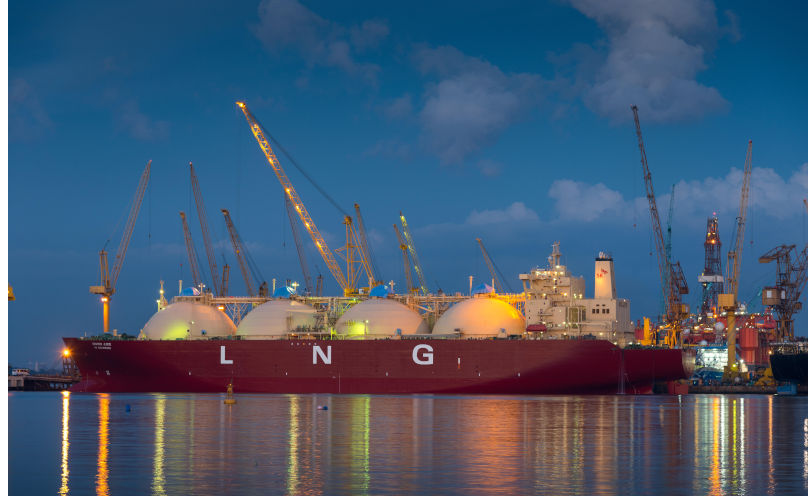
Go-ahead for new carbon bomb marks Australia as enemy of the region
In planning its future release of up to 80 billion tonnes of planet-heating carbon, Australia has committed itself to the destruction of nations and wrecking of big cities throughout the Indo-Pacific Region.
11 June 2025
Australia’s latest emissions data shows a giant fossil fuel problem
Without accounting for land use, Australia’s emissions have only decreased 3% since 2005, not 27%.
6 June 2025
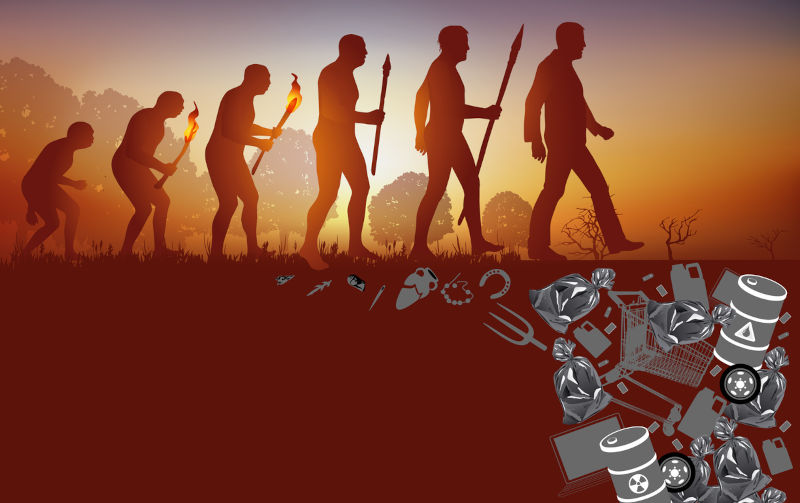
The threat to survival of our human species is now desperately serious
It is now, nearly three years, since I published an opinion piece in a number of Australian newspapers, entitled; “Human Extinction isn’t Inevitable, Yet…”
4 June 2025
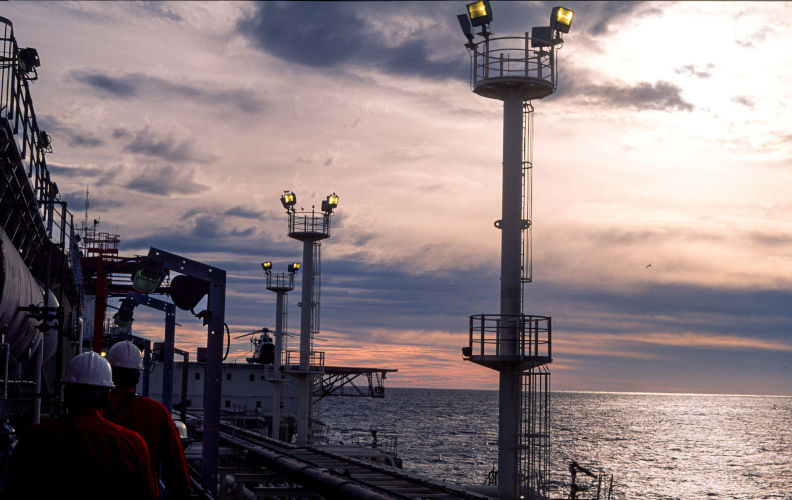
Merchants of death
In extending the life of Australia’s North West Shelf gas project till 2070, the federal and WA Governments have knowingly signed the death warrants of four million human beings.

25 May 2025
Environment: Australians must defend our right to protest
Dissent and protest are under attack across Australia. Thawing permafrost is a problem for everyone, not just Arctic-dwellers. LNG produces more emissions than coal, oil or gaseous natural gas. Renewables rollouts are up, but so are energy-related greenhouse gas emissions.
21 May 2025
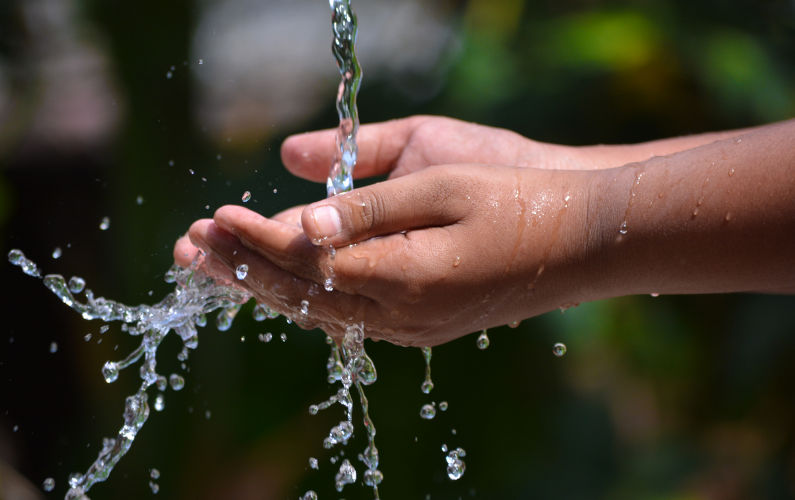
Australia’s opportunity to lead the world on human survival
Now that the Australian election is settled, and the government has a handsome working majority, it is surely the moment for voters nationwide to engage actively with elected representatives to set a world-changing agenda in place.
17 May 2025
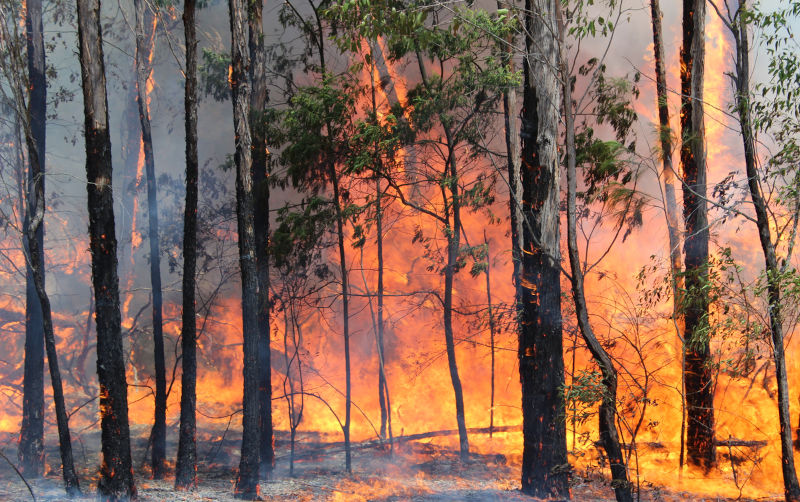
Water is a vital part of population policy
If ecological sustainability must be the basis for population policy, as argued by Jenny Goldie, then a vital ingredient for sustainability is water – the essence of life.
23 April 2025
Surreptitious Victorian native forest logging
The Victorian Government claims that it exited native forest logging in 2024. However, it has not legislated this exit. And, notably, logging is continuing through other nefarious and highly cynical means.

14 April 2025
There is no future without children
Imagine a world without children, a world steadily depopulating like that in the dystopian novel by P.D. James, Children of Men.

13 April 2025
Environment: Adopt a tapeworm. Love your lice. Give a leech lunch
Parasites need our help, not our disgust. Electricity usage increases with the temperature, but the price falls as renewables increase. Cyanobacteria’s sliding door moment.
Catch up on other sections
More from The Human Future






27 November 2024
A triumph for greed over commonsense and humanity


15 October 2024
The deafening silence in the eye of the hurricane





19 April 2024
Coral catastrophe signals our own undoing