Gunning for the Greens over Gaza - Part 1
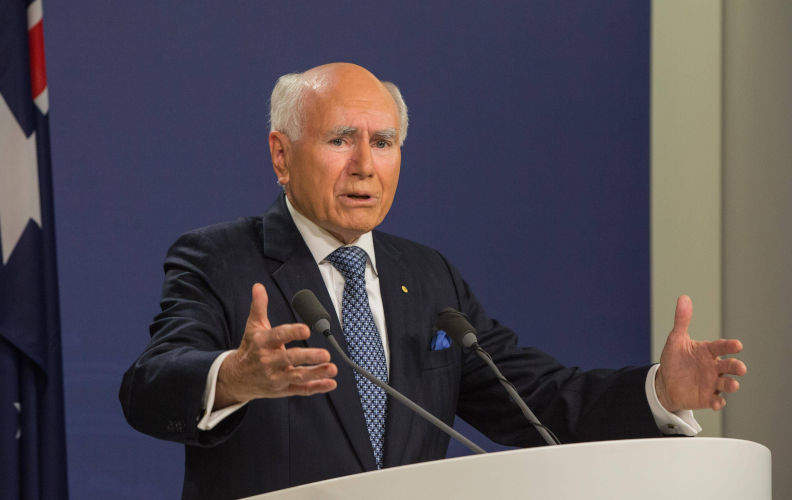
After the federal election on 3 May, dissection of the Liberals’ turmoil received top billing.
Recent articles in Politics

6 July 2025
Spiritual malpractice: The Vatican's dodgy saint-making business
Pope Leo rubberstamps the controversial canonisation of a multimillionaire Italian's adolescent son.

6 July 2025
Environment: Ken Henry and Xi Jinping agree nature is critical to productivity
Ken Henry says high-integrity environmental laws will be the government’s first test but new Labor MPs don’t agree. Great Barrier Reef still suffering from heat, agricultural run-off and overfishing. NATO to increase its spend and its emissions.
6 July 2025
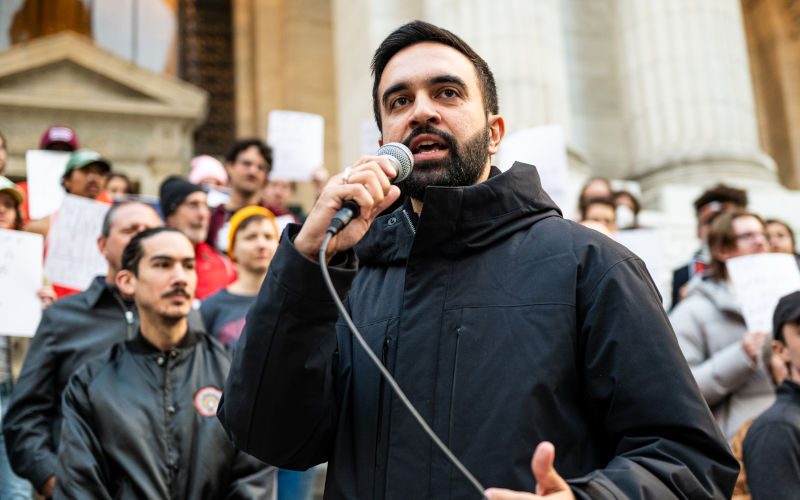
Mamdani’s magnificent primary win – What follows
People are asking about my reaction to Zohran Mamdani’s spectacular and decisive upset in the Democratic primary victory for Mayor of New York over ex-Governor Andrew Cuomo.

6 July 2025
The takeaway from the Venice Biennale saga: the art world faces deep and troubling structural inequality
Creative Australia’s decision earlier this year to rescind the selection of artist Khaled Sabsabi and curator Michael Dagostino as Australia’s 2026 representatives at the Venice Biennale sent shockwaves through the arts sector.
5 July 2025
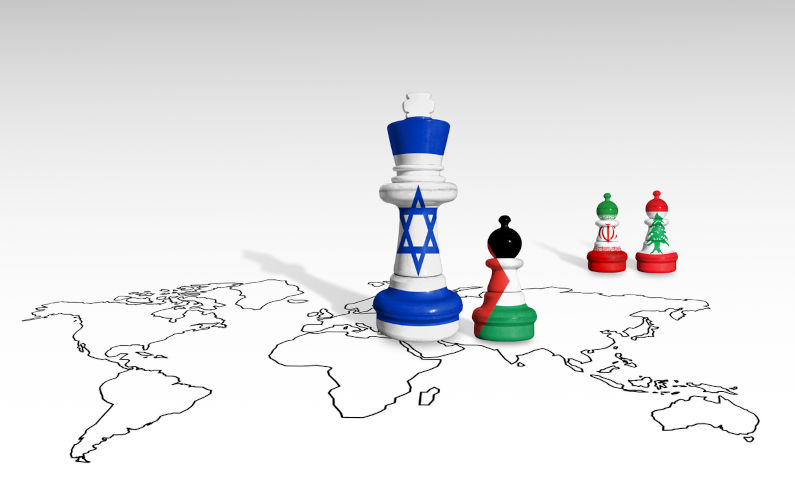
Israel: The true superpower? Journalist exposes global threat in explosive Sydney talk
In a searing address to a sold-out crowd in Sydney on Saturday night 28 June 2025, award-winning Australian investigative journalist Antony Loewenstein declared that Israel has quietly become the world’s most dangerous superpower, wielding weapons, surveillance technology, and AI systems perfected on Palestinians to control populations across many countries.
5 July 2025
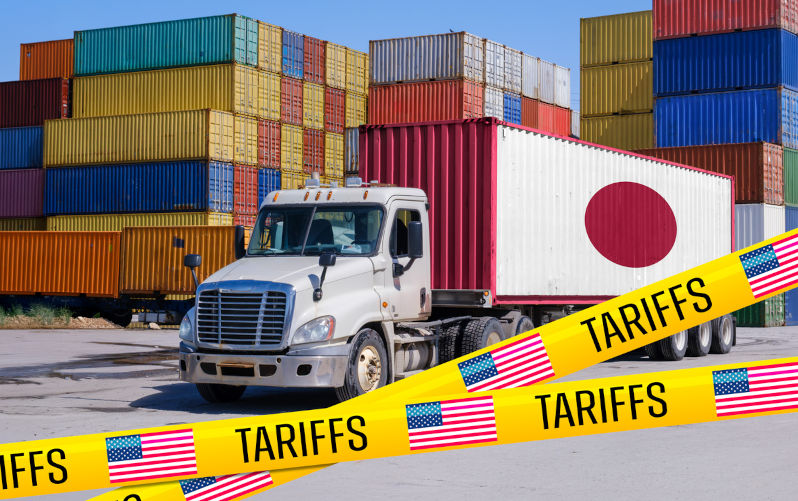
Trump tariff deals with Japan, India bogged down – Asian Media Report
In Asian media this week: Trade pact sealed with Vietnam. Plus: Dalai Lama at 90 – the institution will continue; Region’s newspapers show disdain for NATO; China, Pakistan setting up new South Asian bloc; Canberra, Beijing squabble over project naming rights.
5 July 2025
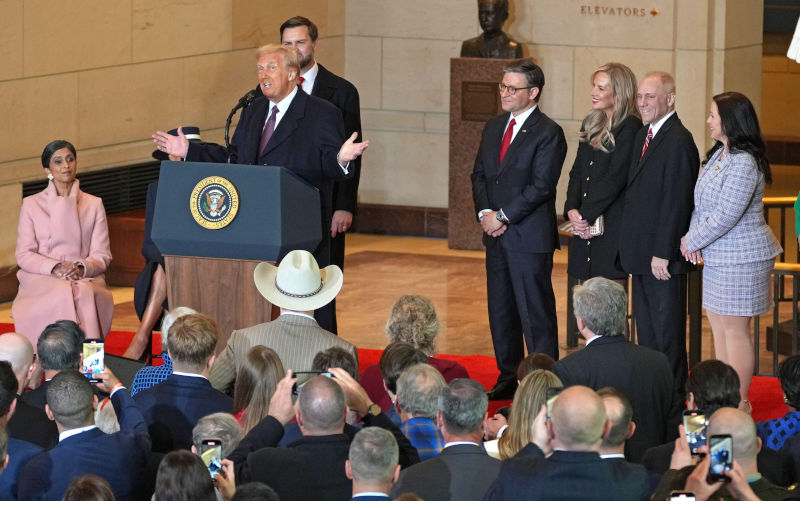
Trump’s Big Ugly Bill is fascism in writing
It establishes an anti-immigrant police state in America, replete with a standing army of ICE agents and a gulag of detention facilities, and it was passed by a narrow margin despite popular opinion.
5 July 2025
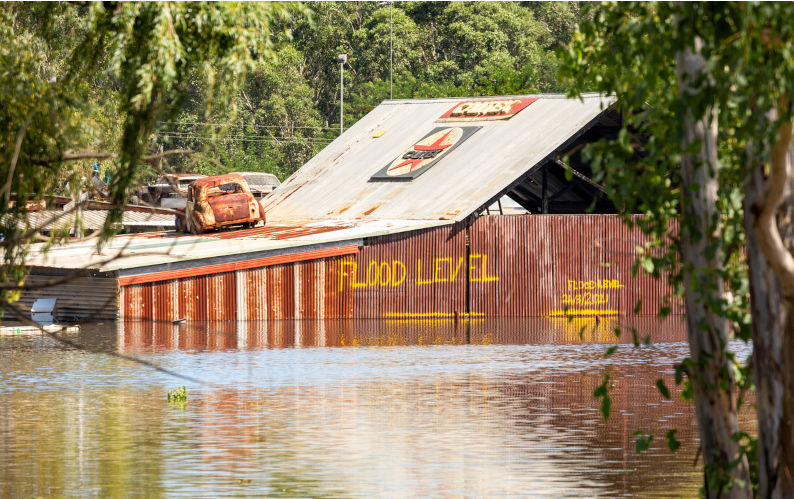
Flood management: Science, technology and people’s responses
To reduce the risks posed by floods requires both scientific input and appropriate community reaction. It is not always clear that both are in evidence.

5 July 2025
Fifteen years of UN Women: A call to action, not complacency
Fifteen years ago, UN Women was established with a bold mission: to drive real and lasting change for all women and girls.
5 July 2025
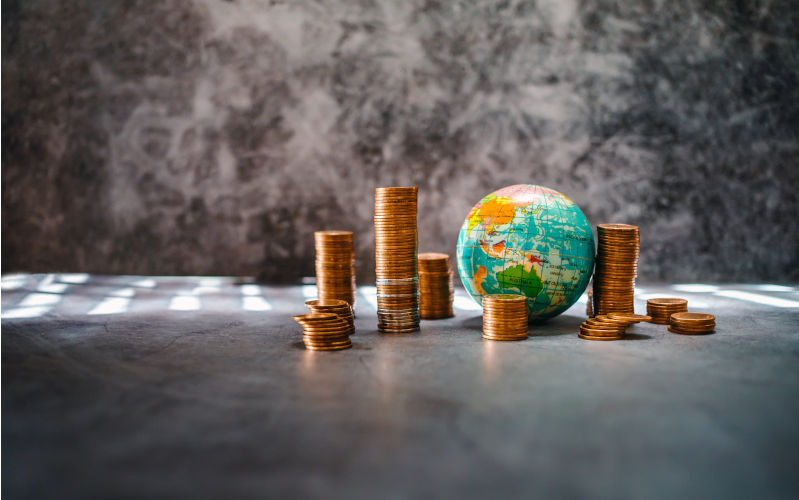
World Bank warns that changes are coming in the global economy
The World Bank’s just released flagship report Global Economic Prospects sounds a warning for the global economy, which is projected to slow dangerously through the next few years, while also showing substantial changes.
5 July 2025
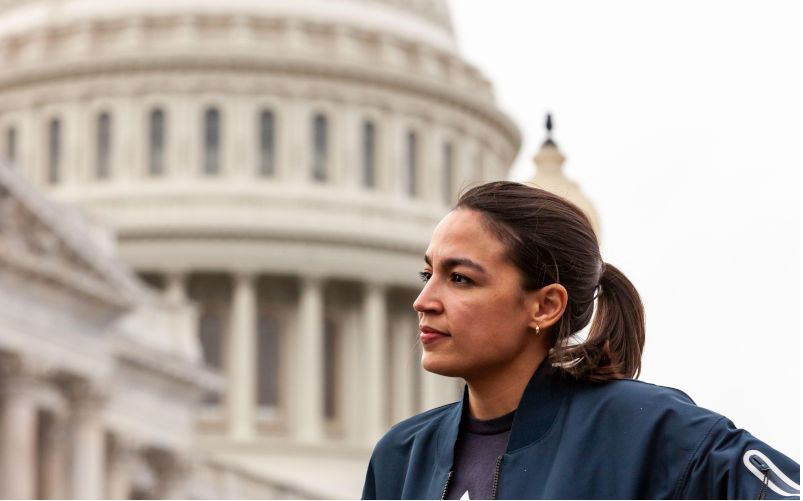
Ocasio-Cortez calls Trump's budget bill 'deal with the devil'
It explodes our national debt, it militarises our entire economy, and it strips away healthcare and basic dignity of the American people. For what? To give Elon Musk a tax break and billionaires the greedy taking of our nation.
5 July 2025
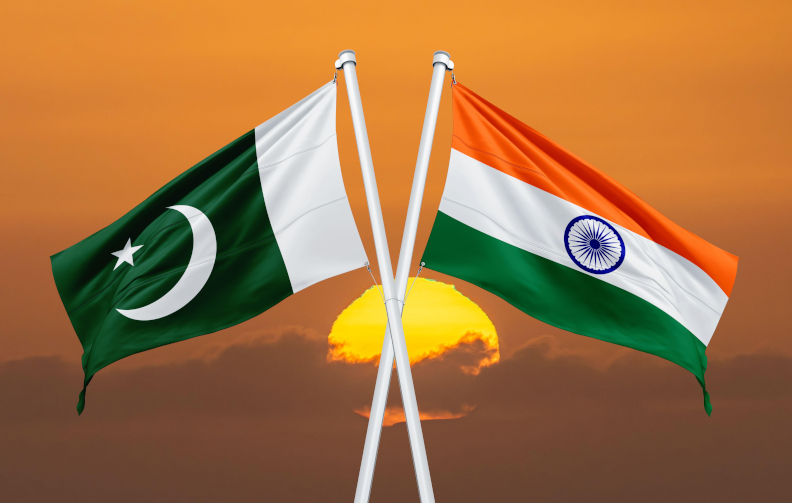
US shift towards Pakistan may unsettle India and the South Asia balance
Islamabad welcomes the opportunity to hedge against China, but New Delhi may well go looking for other, more reliable partners.
Catch up on other sections
More from Politics