Australia’s sugar shame: why we’re falling behind in the fight for our health
January 30, 2026
Australia once led the world in confronting tobacco harm. On sugar consumption – a major driver of obesity and chronic disease – more than 100 countries are now ahead of us, and health ministers face a critical test.
Australia led the world in tackling the scourge of tobacco. Boldly standing up to the global tobacco industry with higher taxes, smoking restrictions, ugly packaging, and unflinching public campaigns, we set a global standard that saved countless lives.
Yet today, when it comes to preventing disease and death from excess sugar consumption, more than 100 countries are ahead of us. This is a staggering failure of public policy. Health ministers meet on 13 February to consider only a modest change to require labelling of added sugar. Will they squib this, or will they be bold like their predecessors?
The evidence for urgent action is overwhelming. As detailed by the Grattan Institute, excessive sugar intake is a primary driver of obesity, type 2 diabetes, heart disease, and oral diseases, costing our health system and economy billions annually. Cutting our sugar consumption would directly boost national well-being and put more money back into government and household budgets by slashing general and oral health care costs. Yet, despite this, Australia’s approach remains timid and outdated.
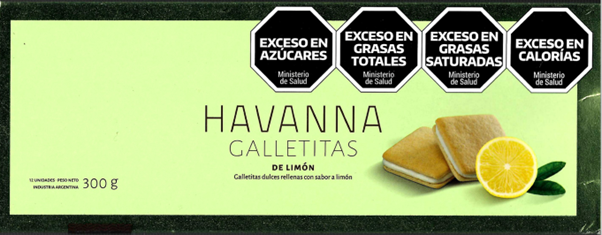
While our pioneering tobacco plain packaging is now followed around the world, we are the ones who must now look abroad for inspiration on food labelling. Countries like Argentina, Chile, and Peru have implemented clear, effective warning systems. Argentina requires large, unavoidable stop signs on the front of packages for foods high in sugar, fat, and salt. This isn’t nanny-statism; it’s empowering consumers with immediate, truthful information. Such front-of-pack labels are crucial tools for busy people making split-second grocery decisions, helping to shift consumer demand and spur industry reformulation.
The resistance, however, is predictable and fierce. Like the tobacco industry before them, junk food and drink manufacturers will be lobbying hard against these changes – a clear case of profits before people, again. They argue about consumer choice and fear-monger about economic impacts.
Sugar growers will also protest, but their case is weak. As a nation, we consume only about 20 per cent of the sugarcane we produce; the vast majority is exported.
Our history shows we can manage such transitions. We eased tobacco farmers into other crops and industries; we can do the same for the minority of cane growers affected, or shift more production into biofuels like ethanol.
The health ministers’ meeting presents an opportunity, but the current proposal, merely labelling added sugar, won’t do much. It is a half-measure that fails to match the scale of the crisis. We need a comprehensive, mandatory front-of-pack warning label system for all unhealthy nutrients, applying to both Australian-made and imported products. This would align us with global best practice and help to turn the tide on the obesity epidemic – about a third of us!
Australia has a proud history of world-leading public health innovation. It is time to reclaim that mantle. By adopting strong, pictorial warning labels on unhealthy foods, we can follow the evidence, follow global leaders, and most importantly, follow through on our duty to protect the health of all Australians. Let’s see the health ministers make bold public policy again.