A snap election and shifting alliances reshape Japanese politics
January 23, 2026
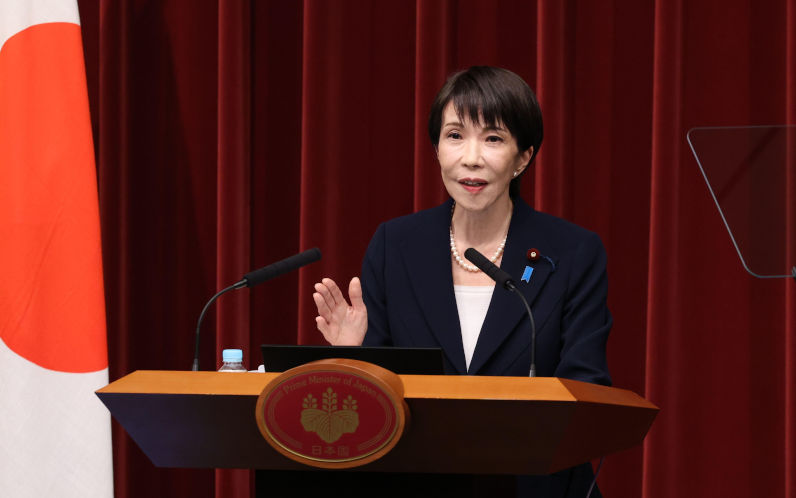
Japan’s Prime Minister Sanae Takaichi has called a snap election as the LDP seeks to rebuild support and secure numbers through new alliances. But economic strain and rising tensions with China could still shape the outcome.
Election fever surrounds Japan Prime Minister, Sanae Takaichi’s, call for a Lower House snap election on 8 February. Her charm and 70 per cent approval ratings have allowed her Liberal Democratic Party (LDP) some recovery from the past slush-funding damage to its reputation. And it seems as if a rushed alliance with the Osaka-based JIP (Japan Innovation Party) might provide the LDP the numbers it needed to continue its near majority after the defection of its former coalition partner, the Buddhist-based Komeito.
Some say Takaichi neglected to consult her would-be coalition partner, the rightwing populist JIP, in advance about her sudden snap-election decision. Without some voting arrangement in advance, the election will force JIP to compete for voters not just from two opposition parties – Sanseito and the Democratic Party for the People – but from the LDP also.
Meanwhile, the moderate left – the CDPJ (Constitutional Democratic Party of Japan) and the Komeito – have wisely joined forces to form a single new party.
Can Takaichi can maintain the pace of her sudden rise to popularity? Her expertise is the economy and so far her stimulative economic policies have done her little electoral harm, even if they have have pushed Japan even closer to its fiscal precipice, and the currency to further weakening.
Much depends on her foreign policies. Japan’s current confrontation with China also seems not to have done her much harm. It was due originally to her reviving a policy decision forced through by her mentor, Shinzo Abe, during his second prime ministership (2012-20). That decision allowed formerly-pacifist Japan to use military force if a situation arose somewhere which posed an existential threat to Japan.
Takaichi simply replaced the ambiguity with a specific reference to Taiwan. But that was enough to get the alarm bells ringing. Beijing unleashed its usual criticisms of revived Japanese militarism. Japan’s anti-China hawks revived the usual calls for more defence spending. Takaichi cooperated by increasing the military budget to two per cent of GNP.
She has shown little interest in reviving the moderating leg of Abe’s anti-China policy – an attempted rapprochement with Moscow. Territorial disputes continue to fester.