Are soil carbon schemes really working?
March 16, 2026
New research suggests rainfall and climate variability may play a larger role in soil carbon increases than land management, raising questions about carbon credit schemes.
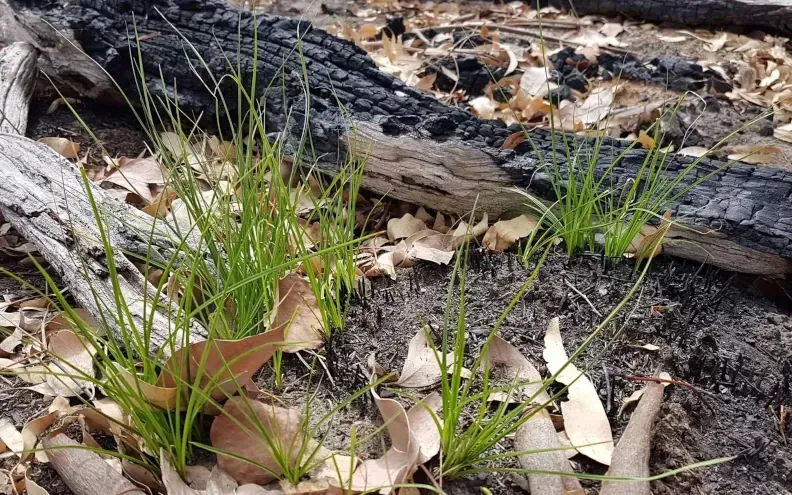
Soil carbon has become a central pillar of Australia’s climate policy. Farmers are being encouraged – and in some cases financially rewarded – to increase soil carbon stocks through altered grazing and land management practices.
Carbon credits generated from soil projects are now traded in national and international markets, promoted as part of the solution to climate change. But do these schemes actually deliver additional, reliable carbon sequestration?
Substantial amounts of the world’s terrestrial carbon stores are in the soil. Maintaining appropriate levels of carbon and nitrogen in soils is essential for soil health and agricultural productivity. Yet scientific evidence on how land management affects soil carbon remains mixed, particularly in highly variable climates such as Australia’s.
To help address this uncertainty, we examined soil carbon and nitrogen levels at 50 farm sites in south-central New South Wales, measured 11 years apart (2011 and 2022). The sites represented three grazing regimes: total livestock exclusion, rotational grazing (limited duration grazing up to 45 days annually), and continuous set-stocking. Our findings are published in PLOS ONE.
We found that soil carbon and nitrogen levels increased across all sites over the 11-year period – regardless of how they were managed. Indeed, increases were greatest on continuously grazed sites, and smaller where grazing had been reduced or excluded.
One plausible explanation is rainfall. The 2022 sampling occurred after three consecutive years of above-average rainfall in the study region. In Australia’s highly variable climate, time itself can act as a proxy for weather. Wetter years stimulate plant growth, increasing organic matter inputs into soils. Under such conditions, carbon stocks may rise independently of management interventions.
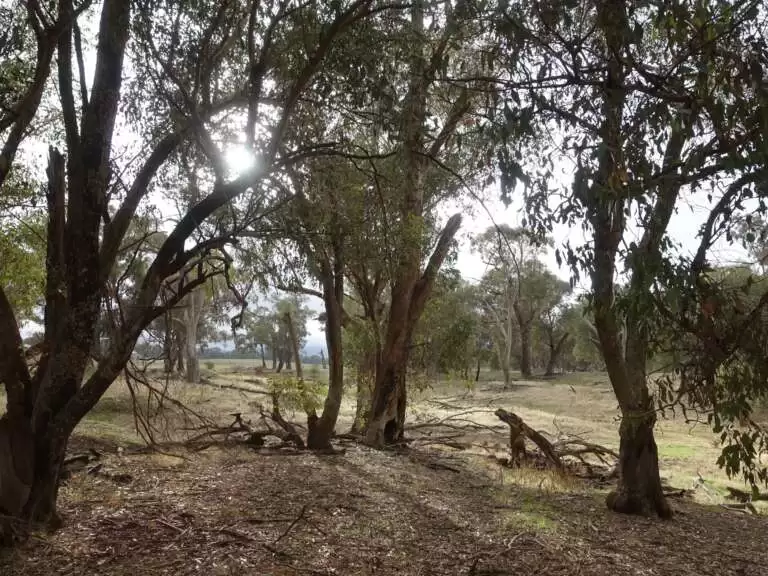
We also found relationships between vegetation structure and soil properties. Sites with more saplings and greater ground cover tended to have higher soil carbon. This aligns with previous Australian research showing that soils beneath trees are generally more fertile than adjacent open areas. But again, rainfall strongly influences vegetation growth, complicating simple attributions to management.
These findings raise important questions for soil carbon crediting schemes. First, if rainfall and climate variability are major drivers of changes in soil carbon, then credited increases may not be additional – that is, they may not result from the management actions being rewarded. Carbon gains that would have occurred anyway during wet years risk being counted as offsets.
Second, soil carbon gains may not be permanent. Australia is characterised by extreme climatic variability, which is projected to intensify with climate change. Droughts and heatwaves can reduce vegetation inputs and potentially reverse earlier gains in soil carbon. Crediting frameworks must account for the risk of such reversals, yet current systems may underestimate this volatility.
Third, soil carbon changes in our study were statistically significant but relatively small. Detecting genuine management effects required repeated measurement over more than a decade. Many Australian ecosystems, particularly those formerly dominated by temperate woodlands, are slow-changing environments. Robust detection of management-driven change may require long-term, intensive sampling – increasing costs and reducing the economic viability of many projects. If these patterns are typical across other ecosystems, there is a real risk that soil carbon crediting schemes may overestimate the climate benefits they claim.
None of this means soil carbon is unimportant. Healthy soils are vital for agricultural resilience, water retention and biodiversity. Improved land management can yield real ecological benefits. But positioning soil carbon as a large-scale, near-term climate mitigation tool demands rigorous evidence.
Our results suggest that climatic variability may exert stronger control over soil carbon dynamics than grazing management alone. In such a context, carbon markets and policymakers should proceed cautiously. Without robust baselines, long-term monitoring and conservative accounting for climate variability, soil carbon schemes risk overstating their contribution to emissions reduction.