Recent articles by David Lindenmayer
16 April 2026
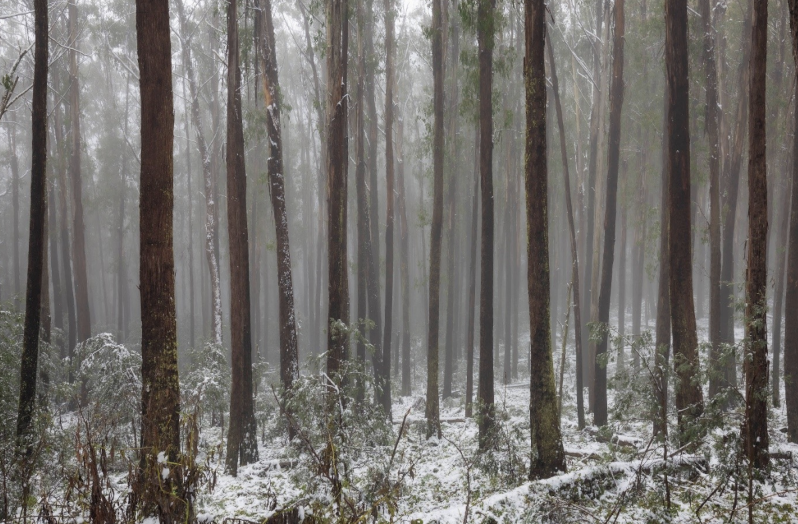
Logging and thinning are putting Alpine Ash forests at risk
Australia’s Alpine Ash forests are endangered and highly vulnerable to fire. Logging, thinning and burning are increasing that risk – not reducing it.

12 April 2026
Robodebt for the environment? AI will not fix Australia’s broken environmental laws
Using artificial intelligence to speed up environmental approvals risks entrenching flawed laws, poor data and declining biodiversity outcomes.
16 March 2026
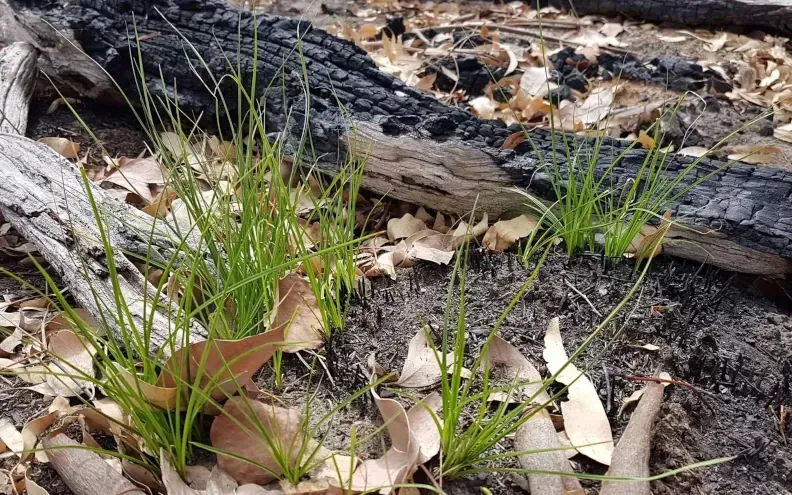
Are soil carbon schemes really working?
New research suggests rainfall and climate variability may play a larger role in soil carbon increases than land management, raising questions about carbon credit schemes.
13 March 2026
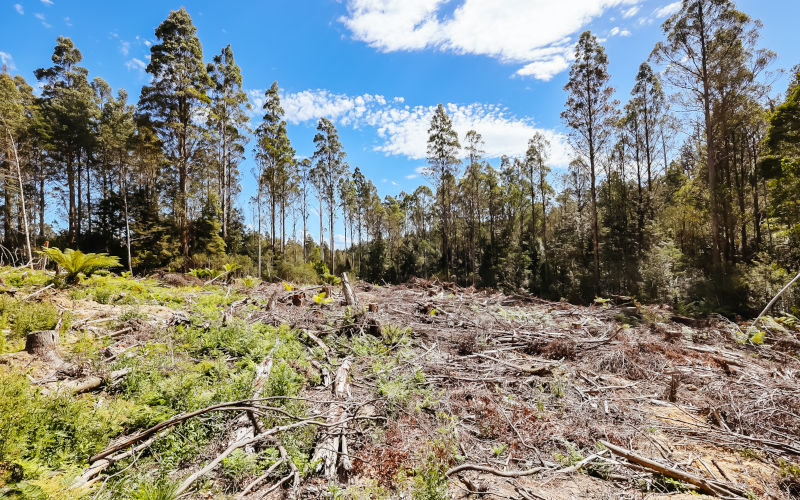
Ending native forest logging subsidies need not cost jobs
Claims that environmental reforms will destroy jobs in native forest logging are overstated. Labour market dynamics and the growth of plantation forestry point to a manageable transition.
2 March 2026
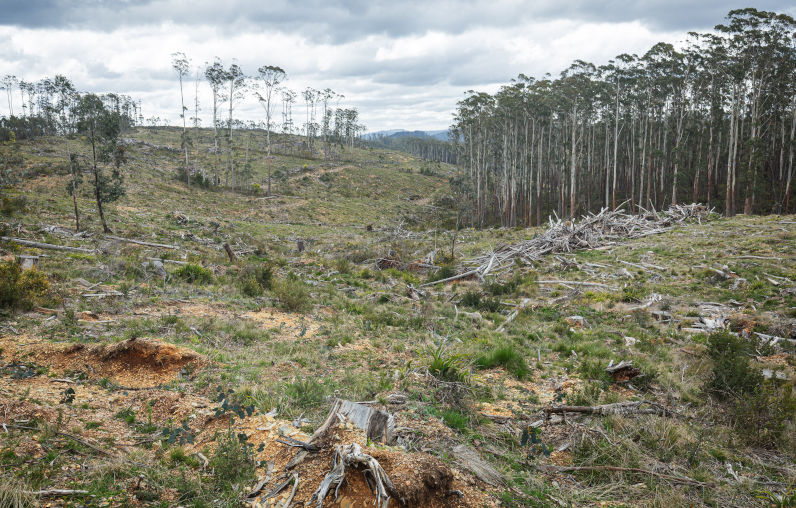
Large-scale forest thinning has limited benefits but major financial and ecological costs
Mechanical thinning is increasingly promoted as a fire control solution. But new research finds its effectiveness is mixed and the ecological, climate and financial costs often outweigh the benefits.

16 February 2026
John Mitchell, David Lindenmayer and Bruce Chapman: Keeping the farm in the family can come at a high cost
As Australia’s farming population ages, poorly planned succession can destroy wealth, fracture families and leave no one better off.
2 February 2026
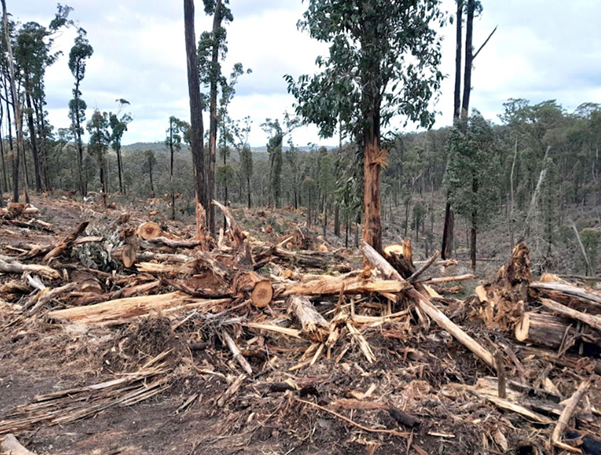
Why ‘salvage logging’ undermines a promise to end native forest logging
Despite announcing an end to native forest logging, destructive logging practices continue in Victoria under the guise of firebreaks and post-storm debris removal – with serious consequences for biodiversity, fire risk and public trust.

9 January 2026
Best of 2025 - Koalas, carbon credits and the fine print of conservation
We congratulate the NSW Government for establishing the Great Koala National Park, which will protect a nationally significant koala population.
8 January 2026
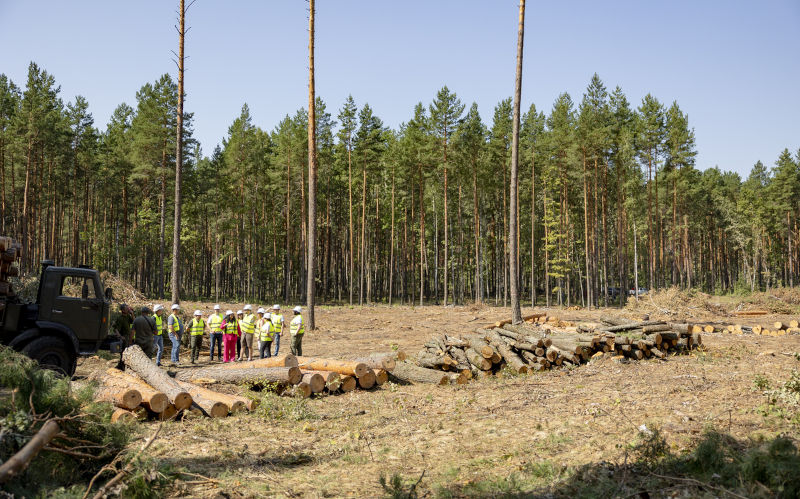
Best of 2025 - A smart productivity play: Stop subsidising loss-making native forest logging
On 7 September 2025, NSW set the proposed 476,000-hectare boundary for the Great Koala National Park and halted native-forest logging within it (plantation harvesting continues), with formal gazettal slated for 2026.
24 November 2025
A rare win-win for climate, farming and biodiversity – if policymakers act
Restoring Australia's farm dams could slash emissions, improve water quality, boost livestock productivity, and enhance biodiversity – all at low cost.
17 November 2025
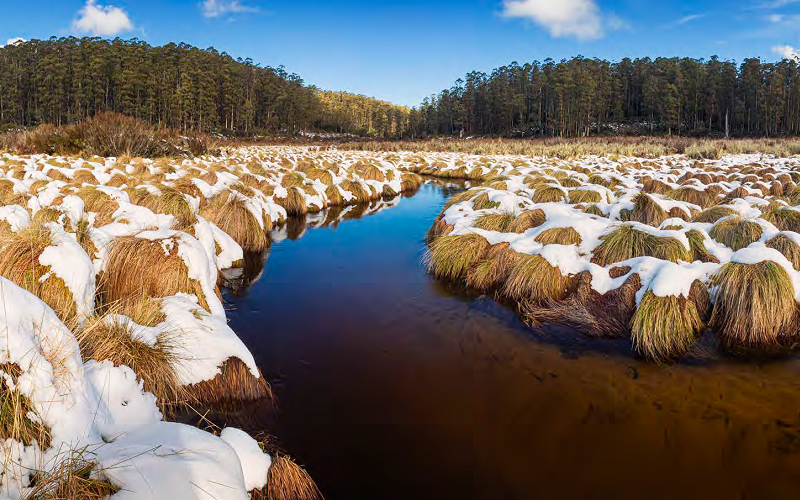
Mines over water: Melbourne’s largest and most important water supply catchment at risk
On 21 October 2025, the Victorian Government announced plans to protect Melbourne’s water supply catchments – the systems that deliver clean water to over five million people. It was welcome news for Australia’s largest and fastest growing city.
7 November 2025
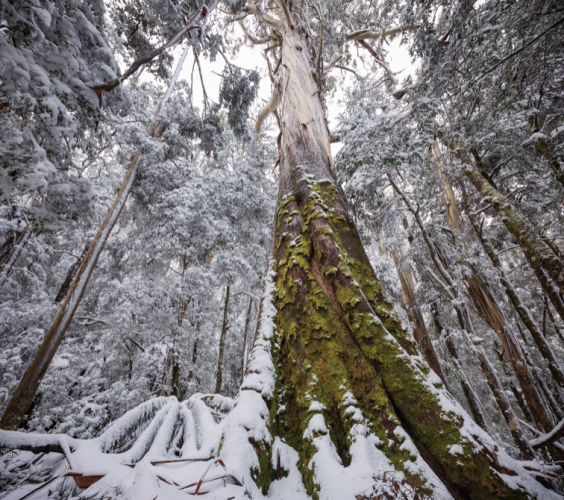
Focusing on the EPBC but dropping the ball on protection
While national environmental attention is fixed on EPBC Act reforms in Canberra, some Australian states have dropped the ball on forest protection – and this is seriously undermining Australia’s target of protecting 30% of the continent by 2030.
21 October 2025
If you go down to the forests today, you’re in for a big surprise (mass deforestation)
Visit many areas of state forest in parts of Victoria and you might get a shock – the forest isn’t there.
26 September 2025
Koalas, carbon credits and the fine print of conservation
We congratulate the NSW Government for establishing the Great Koala National Park, which will protect a nationally significant koala population.
18 September 2025
A smart productivity play: Stop subsidising loss-making native forest logging
On 7 September 2025, NSW set the proposed 476,000-hectare boundary for the Great Koala National Park and halted native-forest logging within it (plantation harvesting continues), with formal gazettal slated for 2026.
26 August 2025
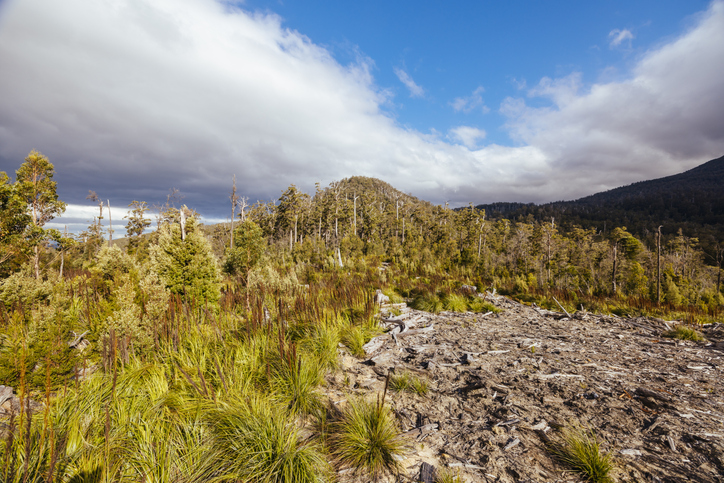
Cutting through the spin – Ten logging 'myths' in the new ABARES report
Australia’s native‑forest debate has long been characterised by falsehoods generated by industry and arms of industry such as parts of government.
14 August 2025
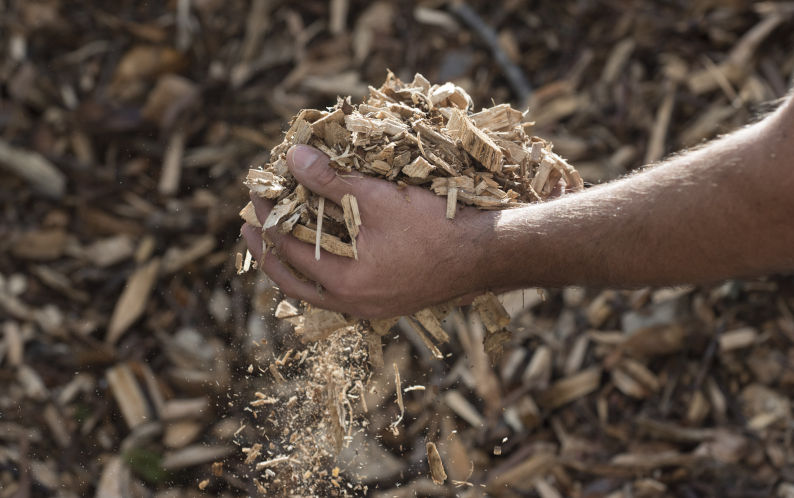
Burning wood for power Is a dangerous step backward
The NSW Independent Planning Commission is currently considering an application to reopen the Redbank Power Station near Singleton.
18 June 2025
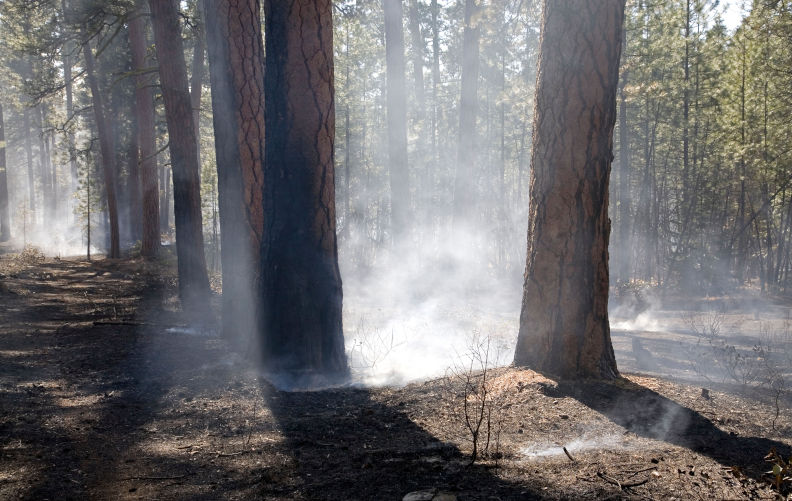
New research shows native forest logging industry going up in smoke
New research published in the leading international journal Nature Communications has added to the growing evidence that native forest logging in Australia is exacerbating wildfire risks.

24 March 2025
Active Management – Rethinking our approach to forest stewardship
Our recent research raises an important and challenging question: Are our well-intentioned management interventions like thinning in high conservation value forests truly serving nature, or are they inadvertently accelerating the degradation of these critical ecosystems?
19 October 2024
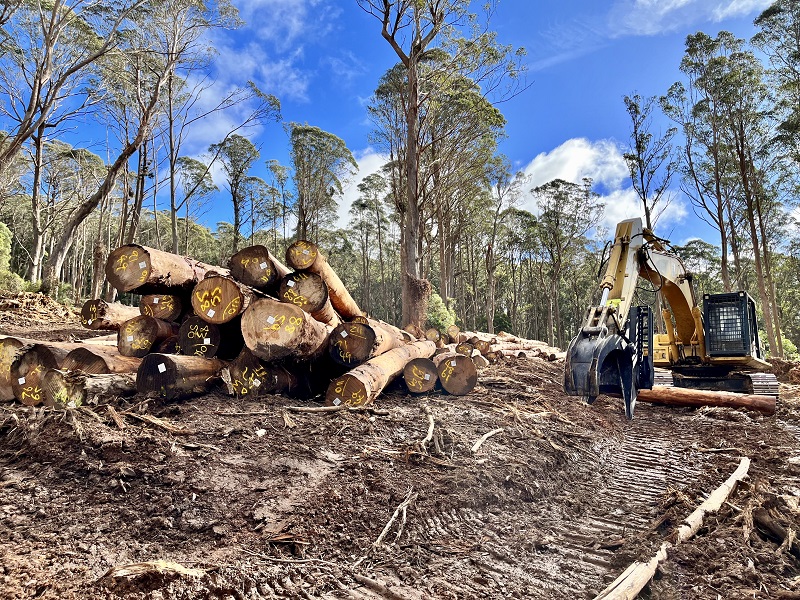
The NSW native forest logging industry is unsustainable – a fast transition out is needed now
The NSW Government is currently seeking submissions on the future of native forest logging in the state. One option is not on the menu—yet should be. That option is the rapid and permanent exit out of native forest logging and a switch to a plantation-only timber industry in the next 2 years. This is essential because the industry, as it stands, is demonstrably unsustainable. And unsustainable in several key ways.
9 September 2024
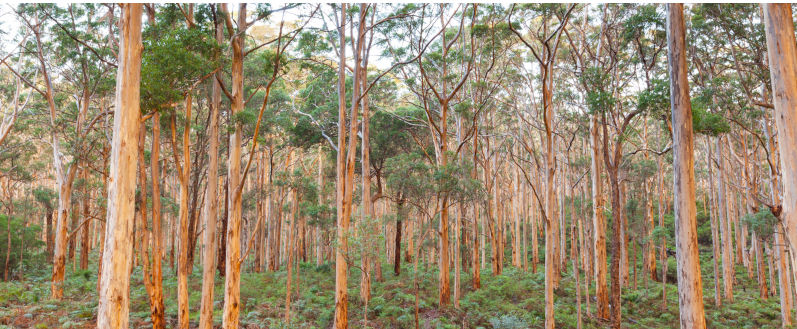
For Australia to meet emissions reduction targets, we don't need nuclear energy
The Federal Opposition’s energy policy includes the construction of nuclear power plants. Peter Dutton says that we need them because Australia’s emissions reduction target of 43 per cent on 2005 levels by 2030 is unachievable. Is this true? We argue that it is not – and especially if the Australian Government works with State and Territory Governments to stop native forest logging and land clearing.
6 September 2024
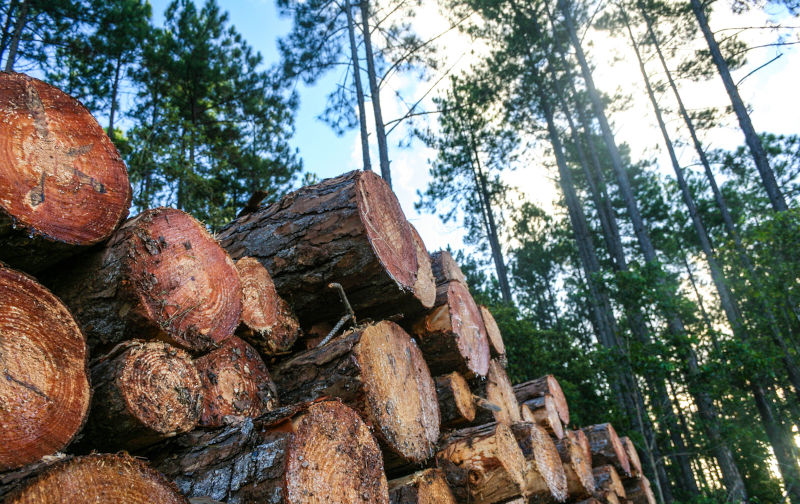
Logging by another name – 'Forest Gardening'
First Nations’ sovereignty is in Country, and First Nations are sovereigns of their respective Countries. First Nations believe they have an obligation to defend Country from natural resource exploitation that causes widespread negative impacts to ecosystems. One of those forms of exploitation is native forest logging.

26 May 2024
The ugly truth of the native forest logging wars
Despite industry and political spin, our Australian native forests continue to be destroyed. The many mythologies put forward in defence of continued logging are contradicted in detail by the facts and evidence.