Articles by Meg Schwarz (31 total)

Seven hours to prove he speaks English: Gaza students in visa limbo
Young Palestinians offered a place by Irish universities shouldn’t lose that future because the mechanisms of a visa system can’t accommodate the reality of the place from from which they are applying.

Gaza’s talent needs doors, not only aid
Gaza Sky Geeks shows another side of Palestinian life under catastrophe: skilled young people still creating, learning and building futures, if the world is willing to open doors.

Strengthening Medicare shouldn’t ignore the Australians who rely on private health cover
Before cutting private health insurance rebates, the government should hear older Australians who rely on cover as a safeguard against delay, uncertainty and worsening health.

Who among us wasn't once a newcomer?
Every Australian family was once the newcomer; some arrived generations ago, others arrived last week. Yet, every generation seems to forget that fact just in time to fear the next one.

History will read this report and ask what we did
An International Commission of Inquiry on the Occupied Palestinian Territory report says the essence of childhood has been destroyed in Gaza.

What Pauline Hanson's durability tells us about Australian politics
Pauline Hanson’s continuing appeal is less a sudden ideological shift than a symptom of weakening trust, economic frustration and a growing belief that mainstream politics has become distant, managed and closed off.

Whose grief changes the world?
The suffering in Gaza has forced many people to question whether human rights are truly universal, or whether some lives and some grief are still treated as more politically urgent than others.

Refugee Week should be more than celebration
Each June, Australians gather to celebrate Refugee Week and honour those who have found safety. It must not overlook those who remain trapped in suffering.

An open letter to the Minister for Home Affairs – Australia’s obligations to Palestinians must reach the visa system
In an open letter to the Minister for Home Affairs, Meg Schwarz argues that Australia’s obligations to Palestinians must be reflected not only in foreign policy statements, but in the practical systems that shape access to visas, scholarships and education.

The students we aren’t seeing
Displaced Palestinians are seeking ways to continue their education. These aspirations need to be part of the screening process, which has become too focussed on risk.

War destroys more than lives – it destroys cultural worlds
War, displacement and colonisation do not only destroy lives and communities, but also the cultural worlds, histories and shared meanings that give people a sense of continuity and belonging.

Antisemitism is rising and we’re not being honest about why
For years, the response to antisemitism has been predictable: more education, awareness campaigns and structured teaching designed to help people recognise antisemitism when it appears; Holocaust remembrance. These tools are no longer enough because they are not fully engaging with the world people are actually reacting to now.

The cost of turning identity into blame
The conflict in Gaza that has fuelled antisemitism and Islamophobia is spilling into everyday life. People are starting to blame individuals and communities for the actions of governments or armed groups. This is dangerous.

ANZAC Day: remembering the past, facing the present
ANZAC Day honours service and sacrifice, but its deeper meaning lies in recognising the human cost of war and the responsibility to learn from it.

“Terrorism” may be the most powerful word in modern politics
The term “terrorism” simplifies complex conflicts, often obscuring history, perspective and the motivations behind violence.

Why the annexation of the West Bank matters to all of us
Between 1 January and 30 September 2025, Israeli authorities carried out 1288 demolitions of Palestinian-owned structures in the West Bank, including East Jerusalem.

Women are missing from peace negotiations, from strategic decision-making
There’s a new international body being set up to oversee Gaza’s future, called the “Board of Peace.” It’s part of Donald Trump’s plan for Gaza, with Tony Blair already named as a leading figure.

Childhood on hold: Growing up too soon in Gaza and beyond
UNICEF has called Gaza the “most dangerous place in the world to be a child.” It estimates every single child in Gaza will need mental health support.

What are international protests revealing about Palestine, Israel and public opinion?
When I first saw the figures on international protests from October 2023 to September 2025, I was fascinated. I hadn’t realised which countries had been most active and the results surprised me.

Justice over comfort – Rethinking DEI across borders and battles
Diversity, equity and inclusion programs are often defunded, dismissed as divisive, symbolic, performative, or reduced to box-ticking exercises, but in the shadow of the genocide in Gaza, we need to ask ourselves – what is DEI really about?

Don't forget her name
Amina Al-Mufti, a Palestinian child, was only 10 years old. Only a child! She simply stepped out to fetch a bucket of clean water for her family, something for which no child should have to risk their life.

Gendered violence in war isn’t a flaw. It’s a feature
When people ask, “Why are children always the first to suffer in war?” I find myself thinking about Gaza.

Why any strategy to combat antisemitism must also address Islamophobia
Australia’s newly released Plan to Combat Antisemitism has sparked strong debate and rightly so.

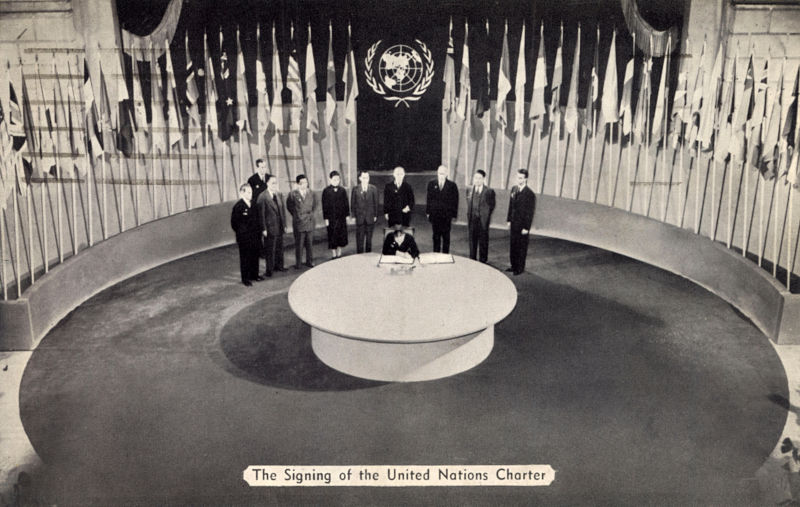
What if the UN Charter fails? A world without rules is closer than we think
“We the peoples of the United Nations are determined to save succeeding generations from the scourge of war, which twice in our lifetime has brought untold sorrow to mankind…” — Preamble to the UN Charter, 1945

Why isn’t the UN doing more than talking about Gaza?
You’re not the only one wondering why the United Nations keeps releasing statements while people in Gaza — and other conflict zones — are being killed, starved or displaced. It’s easy to feel like all the UN does is express concern, make speeches and hold meetings….but shouldn’t it be doing something tangible by now?

Is DEI really about justice or just what’s comfortable?
Diversity, equity and inclusion programs have been under attack lately – defunded in the US, dismissed as divisive by Australia’s Opposition Leader and treated as a box-ticking exercise in many workplaces. But after everything we’ve seen in Gaza, isn’t it time to ask – What is DEI really about?

The lost generation: Gaza’s children and their stolen futures
Rasha was 10 years old when she wrote her will. In simple words, she asked that her belongings be given to those in need if she didn’t survive. A child, too young to dream of death, yet old enough to know it was coming. She was killed soon after.

The cost of apathy
Apathy isn’t just a lack of care – it’s a failure of connection. It happens when people stop believing their voices matter, their efforts count, or that change is possible. Apathy is the silent enemy, replacing passion and engagement with indifference. – Manu Sharma, The Silent Enemy
They destroyed what was inside us: The children of Gaza
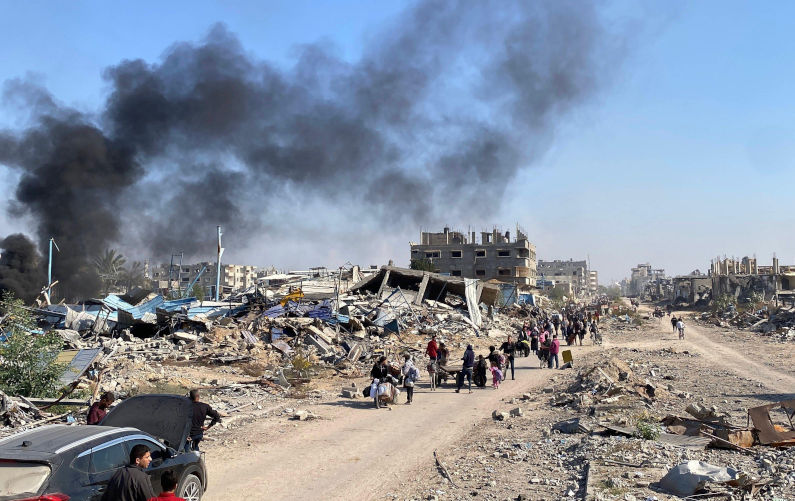
From the day the war began, 15-year old Ghazal’s life was irreversibly changed. “They destroyed what was inside us,” she said. Her story is a window into the larger tragedy of how war has devastated children, especially those with disabilities.

Women missing from strategic decision-making: A call for inclusive leadership
As conflicts rage across the world, one painful truth remains: women are still missing from the decision-making table. Decisions that shape the futures of millions continue to exclude half the population.

Does race influence Western support in international conflicts?
The ongoing genocide in Gaza forces us to confront an uncomfortable reality: why does the West seem to prioritise some conflicts while others, particularly in Africa, go unnoticed? It raises a critical question: does race…does colour influence how Western nations choose where to focus their attention and resources?