The return of great power relations: What can middle powers do? Part 1
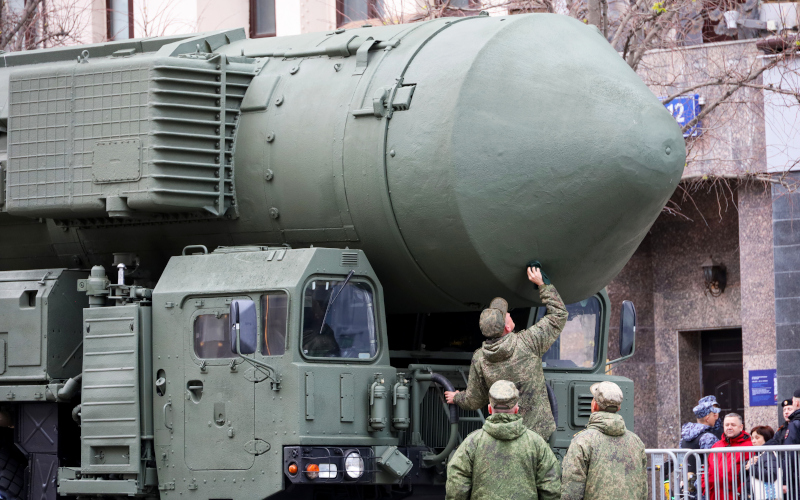
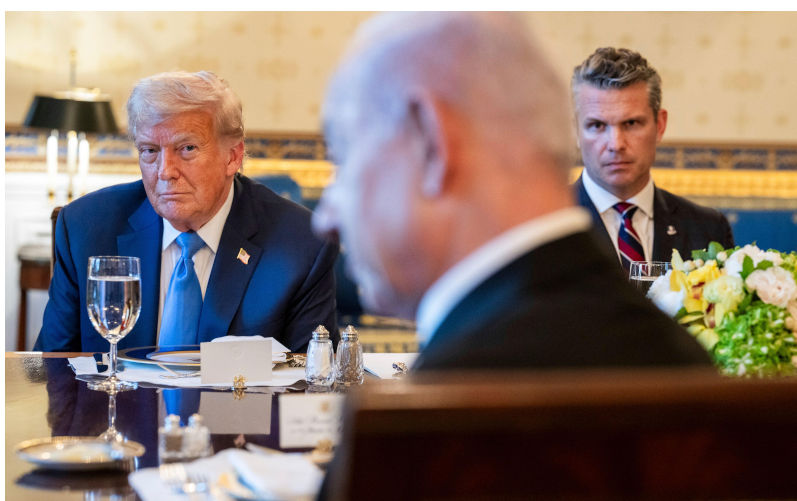
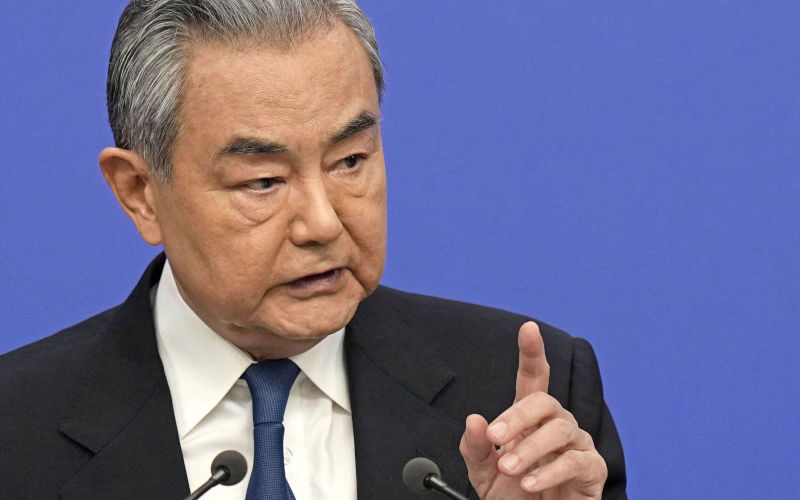
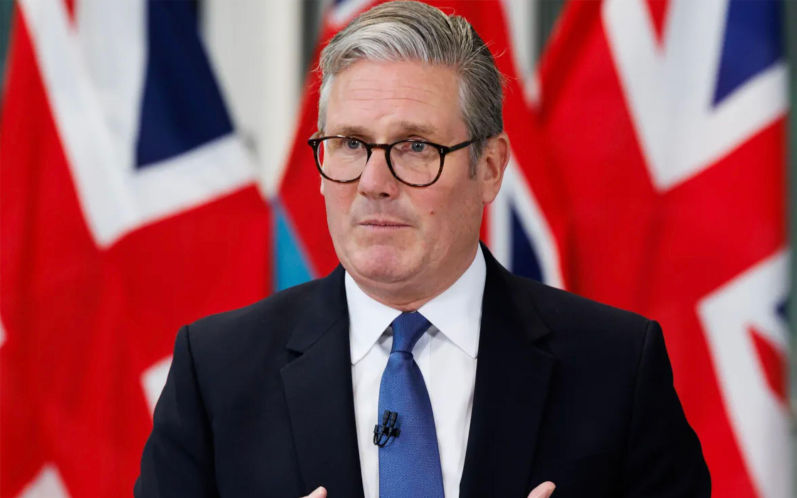
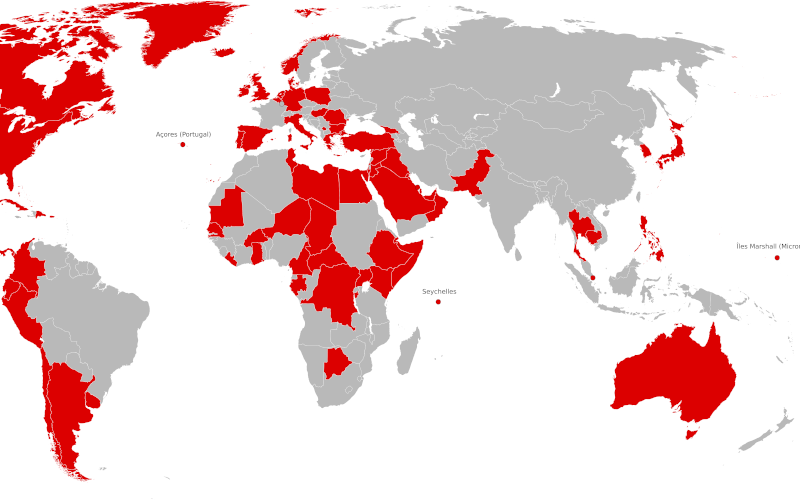
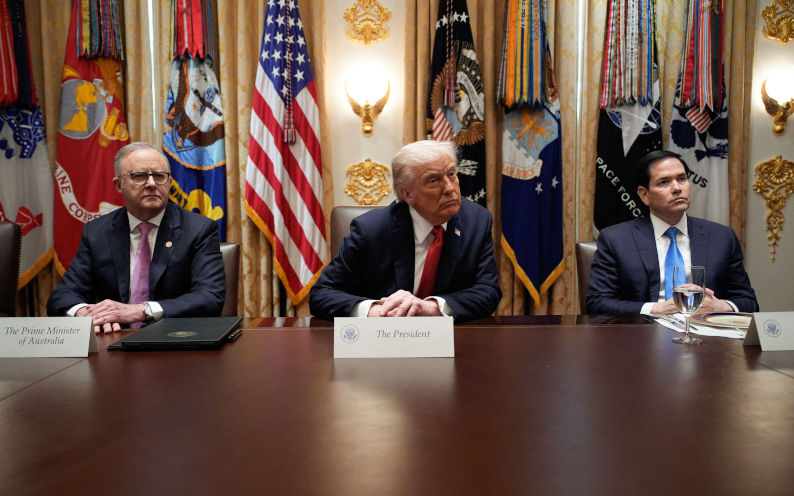
As part of the Foreign Policy Rethink series, Geoff Raby examines how Trump’s shift to great power politics is reshaping the global order and forcing middle powers to rethink their strategy.
Recent articles in World
22 April 2026
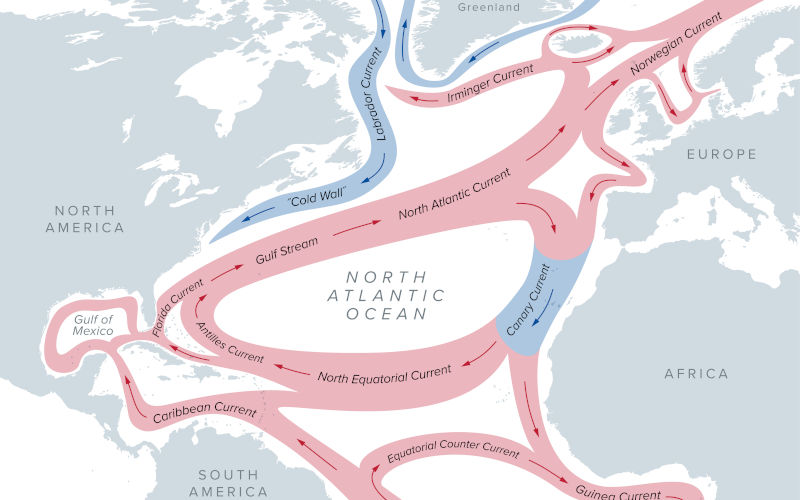
Study warns of terrifying Atlantic Ocean current collapse
New research shows a critical Atlantic Ocean current system is weakening faster than expected, raising the risk of irreversible climate disruption.
21 April 2026
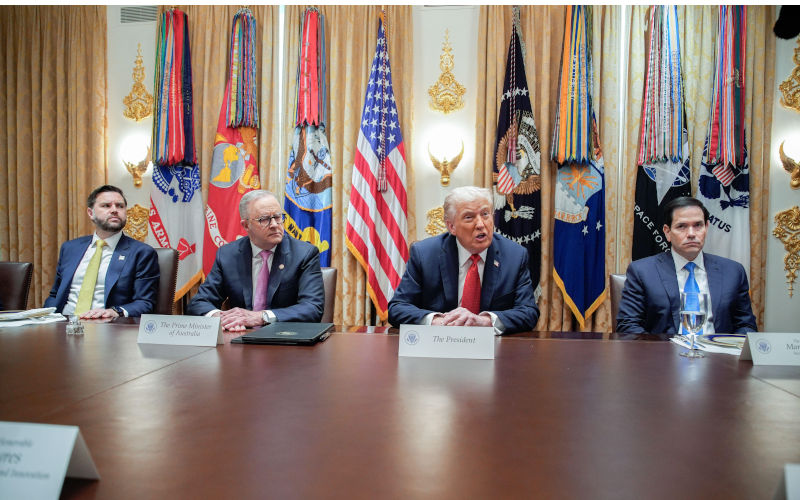
It takes two to make alliances and the US may run away first
As US commitment to alliances wavers, Australia faces urgent questions about its security, independence, and place in a rapidly shifting global order.
21 April 2026
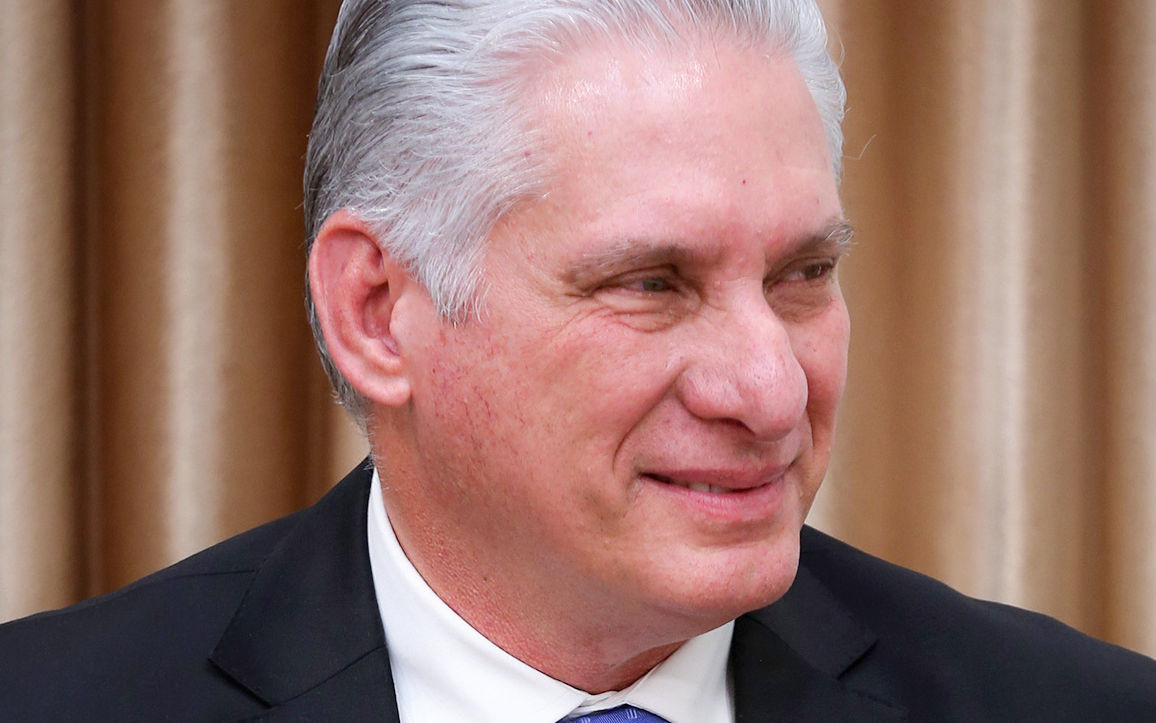
As warnings mount over Trump, Cuba pays the price
A renewed US oil embargo on Cuba is deepening hardship on the island, reflecting a long-standing pattern of intervention driven as much by ideology as strategy.
21 April 2026
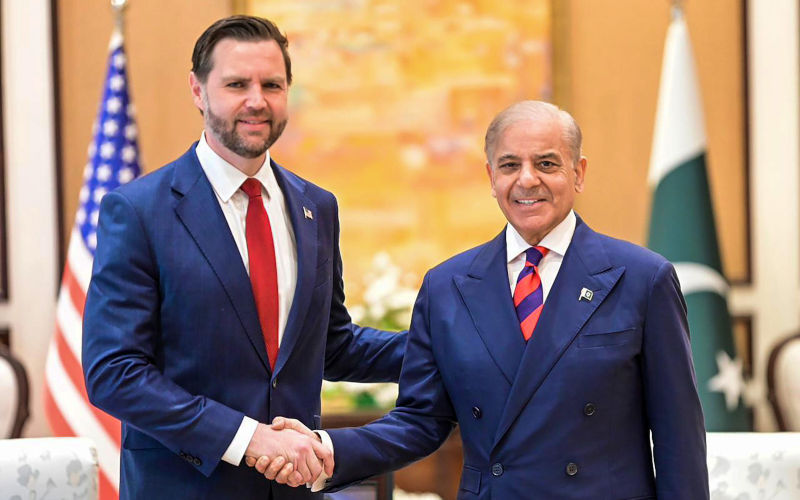
You can’t rush peace: the fatal flaws in the US–Iran talks
The collapse of recent US–Iran talks highlights how flawed negotiation design – not just substance – can doom peace efforts from the start.
20 April 2026
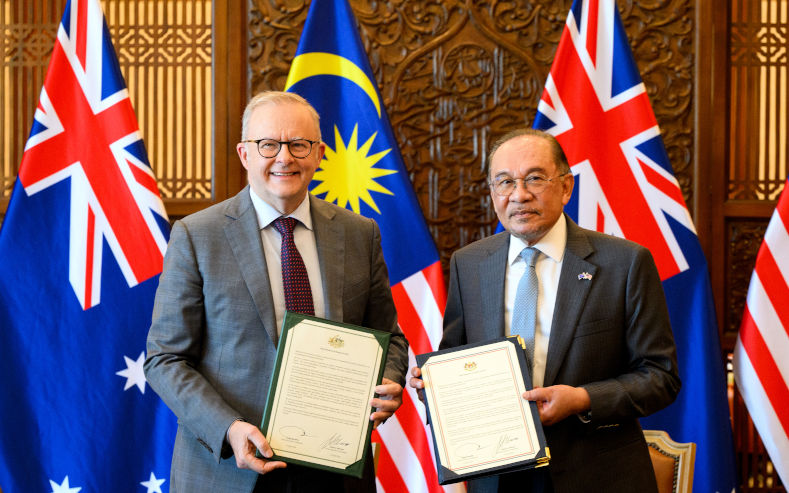
Albanese and Anwar align behind Pope’s call for peace
Australia and Malaysia have signalled support for a diplomatic path through escalating global tensions, backing Pope Leo’s call for peace and restraint.
19 April 2026
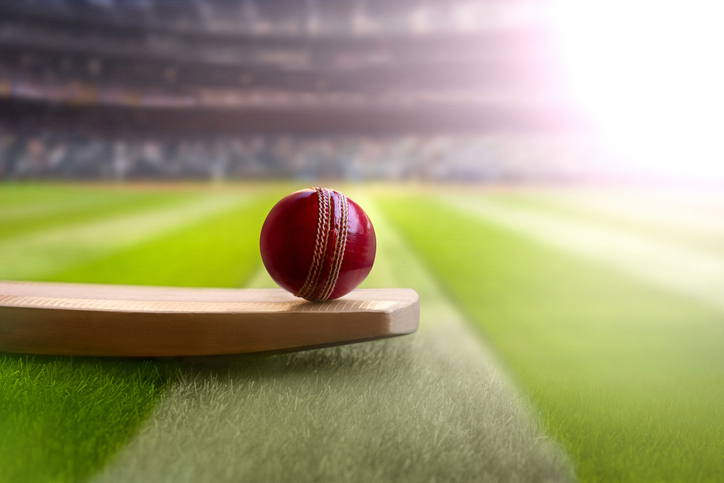
Cricket has survived every crisis – but this one may be different
Cricket has adapted and survived for centuries, but a new struggle over control – combined with climate pressures – may test the game in ways it has not faced before.

19 April 2026
From feminism to the manosphere – where to now?
Patricia Edgar reflects on a lifetime shaped by feminism – and asks why, despite its gains, relationships between men and women now feel more fractured than ever.
18 April 2026
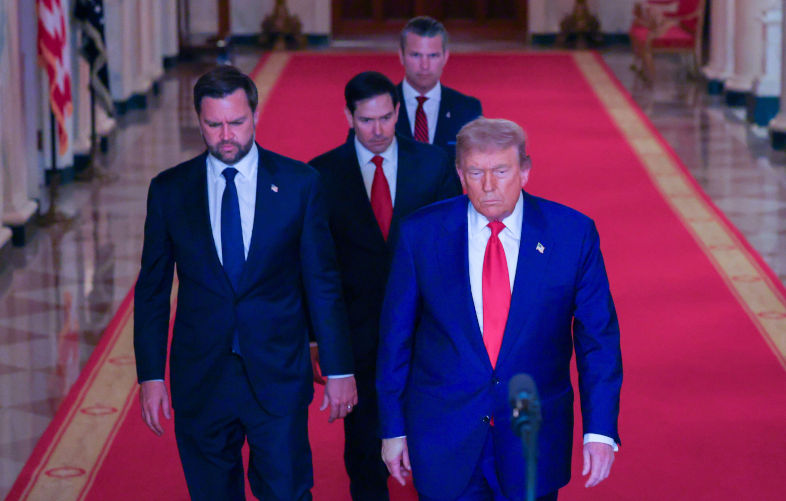
The Middle East conflict is driven by competing theocracies
The Middle East conflict reflects competing theocratic mindsets in Iran, Israel and the US, where religious conviction is being used to justify violence.
18 April 2026
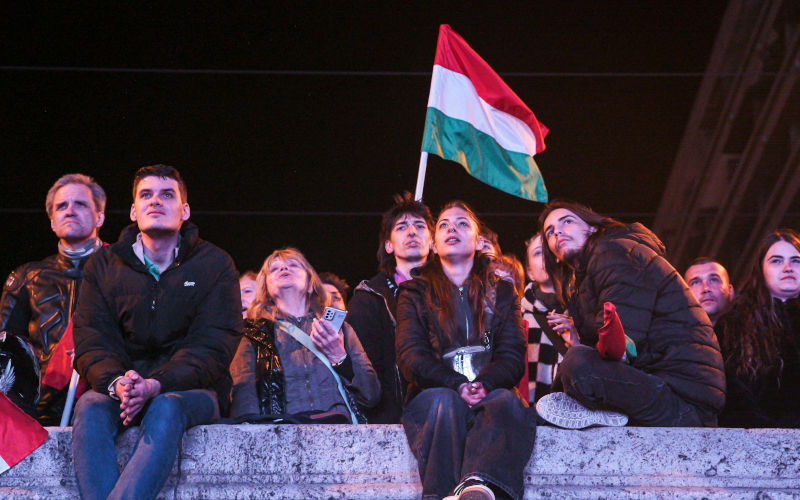
The bad, the worse, and the need for glee – Message from the Editor
It has been a week where a number of world ‘leaders’ have exceeded even the lowest of expectations. Clearly the lion in this fight is Donald Trump as Jesus, but there are some other really notable, local contenders.
18 April 2026
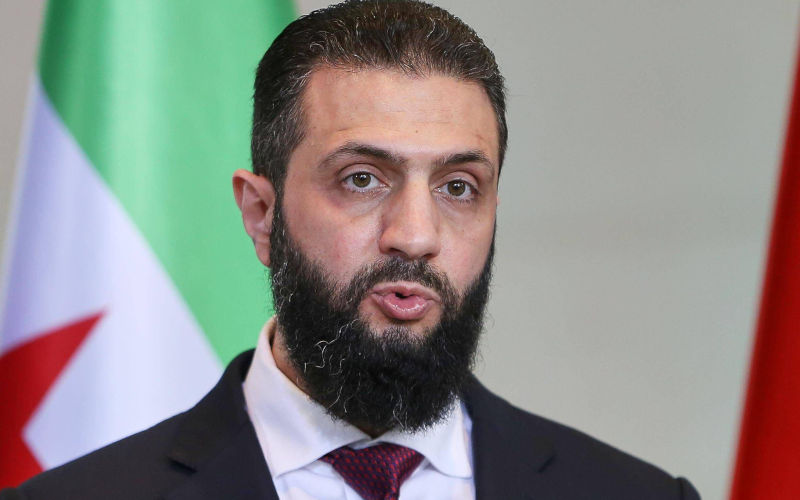
Insider confirms US worked with Al Qaeda to fight the Syrian government
New insider claims revive long-standing questions about whether US policy in Syria involved working with extremist groups – and what that means for how the war is understood.
17 April 2026
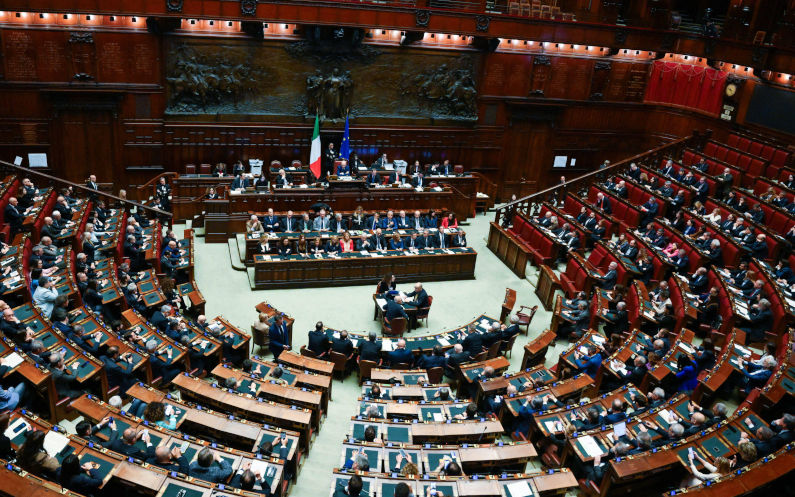
Italy breaks with Israel as public anger forces a political shift
Italy has suspended military cooperation with Israel after months of mounting public anger.
Catch up on other sections
More from World
13 April 2026
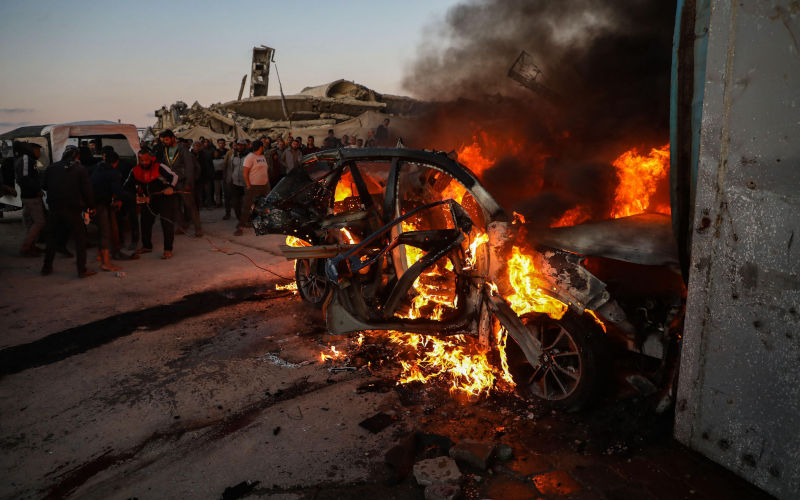
The world acts for oil – but not for human life
11 April 2026
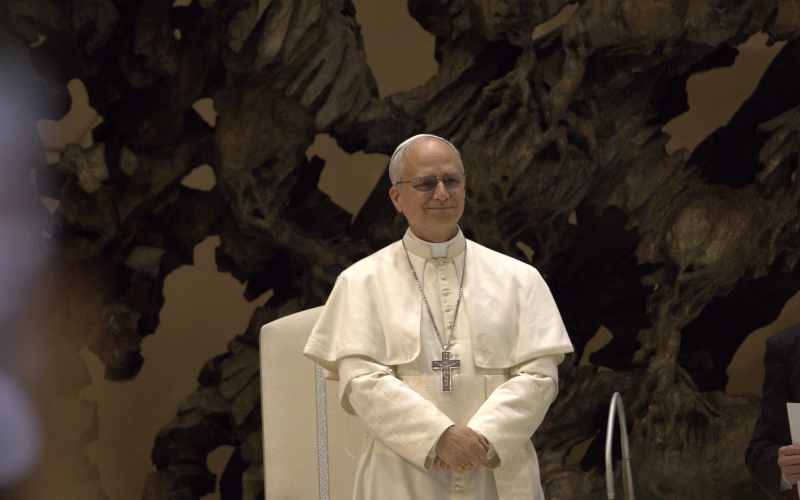
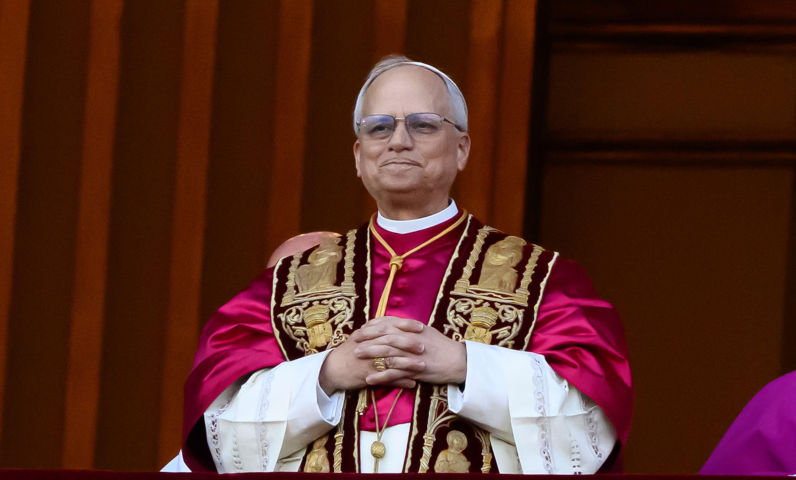
Pope 1, Trump 0 – Message from the Editor