Environment: Class and race fuel climate collapse in Northern Territory
From devastating floods in the Northern Territory to the global failure to curb fossil fuels and the human cost of shipbreaking, environmental damage is accelerating – and hitting the most vulnerable hardest.
Recent articles in Climate

17 April 2026
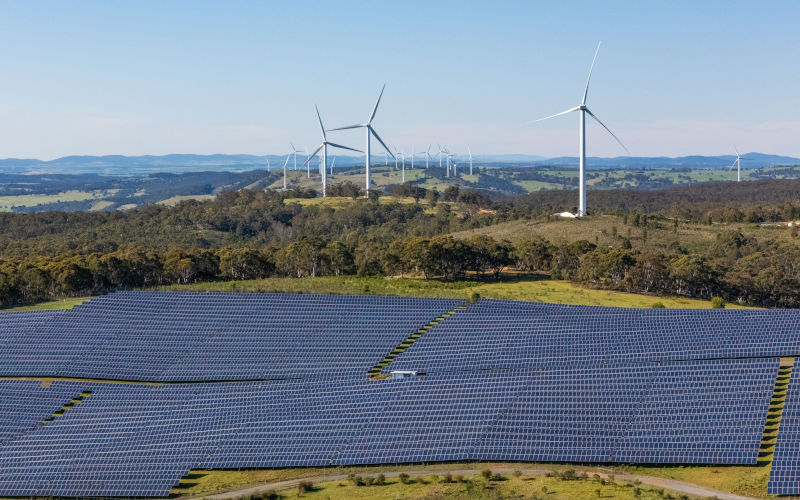
The war on renewables is really about protecting fossil fuel profits
As global fossil fuel prices surge amid conflict, attacks on Australia’s energy transition are intensifying – driven by industry interests that stand to lose from cheaper, more reliable renewables.

17 April 2026
We're soaking in it
Human waste is overwhelming rivers, oceans and ecosystems worldwide, driving pollution, disease and ecological breakdown on a planetary scale.
16 April 2026
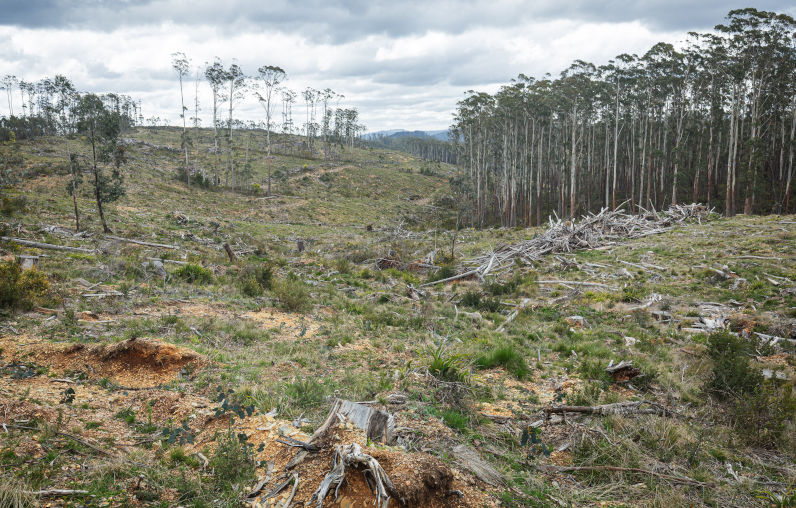
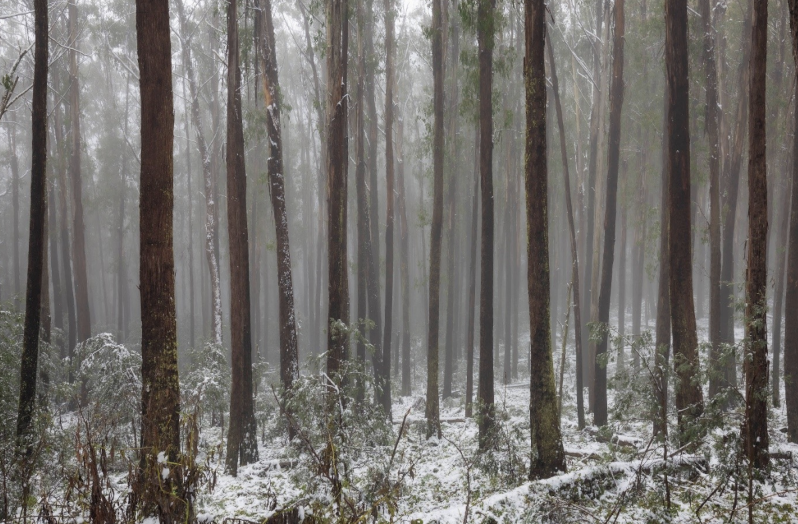
Logging and thinning are putting Alpine Ash forests at risk
Australia’s Alpine Ash forests are endangered and highly vulnerable to fire. Logging, thinning and burning are increasing that risk – not reducing it.
15 April 2026
Climate change, the community and the Coalition: going slower
The Coalition’s abandonment of net zero by 2050 marks a retreat from climate action, putting it at odds with public opinion and weakening Australia’s long-term response.
13 April 2026
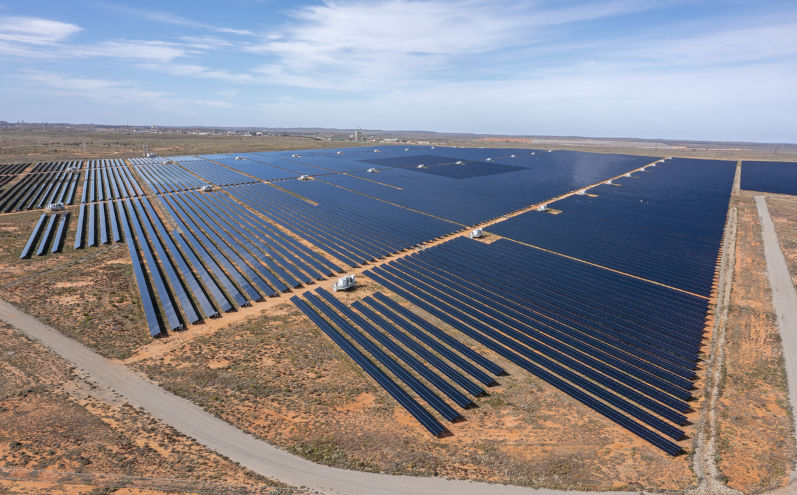
Why “drill baby drill” won’t solve Australia’s energy problem
Calls to expand fossil fuel production ignore Australia’s real energy vulnerabilities, while electrification and renewables offer a clearer path to lower costs and greater security.

13 April 2026
Overpopulation is pushing Earth past breaking point
Scientific evidence shows humanity has exceeded Earth’s long-term carrying capacity, placing growing strain on the systems that sustain life and increasing the risk of global instability.

12 April 2026
Robodebt for the environment? AI will not fix Australia’s broken environmental laws
Using artificial intelligence to speed up environmental approvals risks entrenching flawed laws, poor data and declining biodiversity outcomes.
12 April 2026
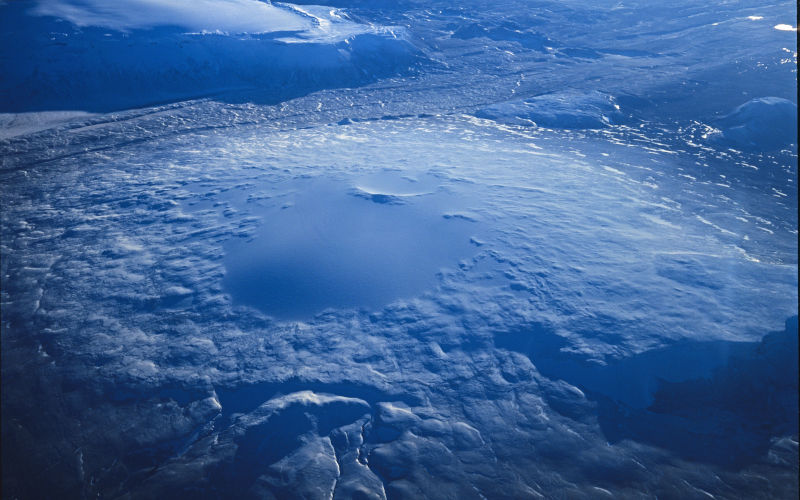
Environment: Nature is in decline – and we are funding the damage
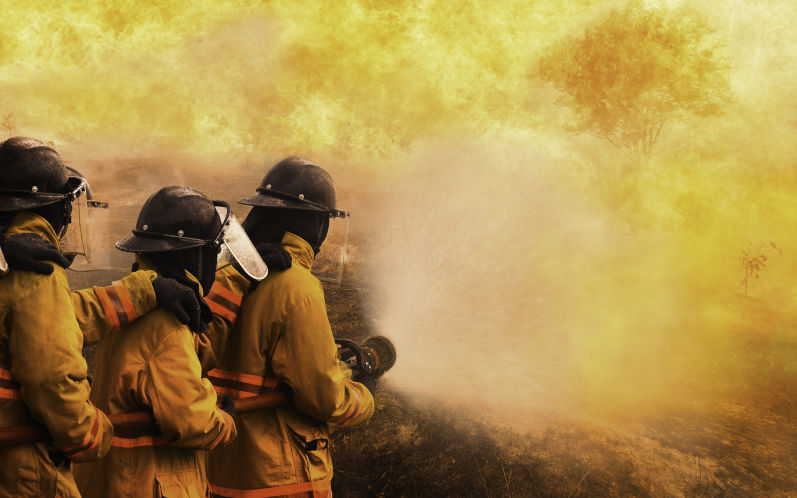
Glaciers are disappearing, biodiversity loss is accelerating, and governments continue to spend far more destroying nature than protecting it.
8 April 2026
Has climate policy-making gone completely off the rails?
Planning to “adapt” to 3°C of warming risks normalising catastrophic outcomes - and avoiding the urgent task of deep, immediate decarbonisation.

2 April 2026
A ‘small’ nuclear war would still be global catastrophe
There is no such thing as a “small” nuclear war. Even limited use would trigger mass death, famine and global collapse.
1 April 2026
Fuel crisis exposes decades of policy failure
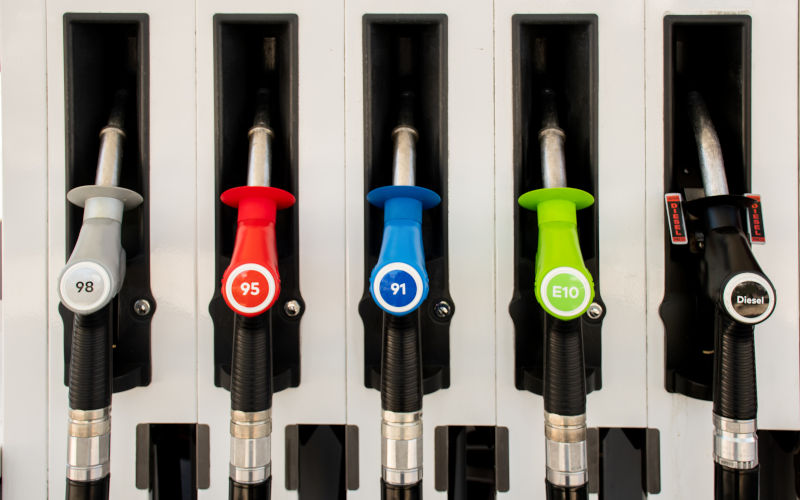
Australia’s fuel crisis may have been triggered by global conflict – but it reflects decades of political failure to reduce oil dependence and plan for transition.

1 April 2026
Climate misinformation inquiry stops short on reform
Australia’s first inquiry into climate misinformation finds a systemic problem distorting public debate – but its strongest solutions sit outside the main report.