The Kentucky colonel who drives Australian foreign policy
Kym Davey

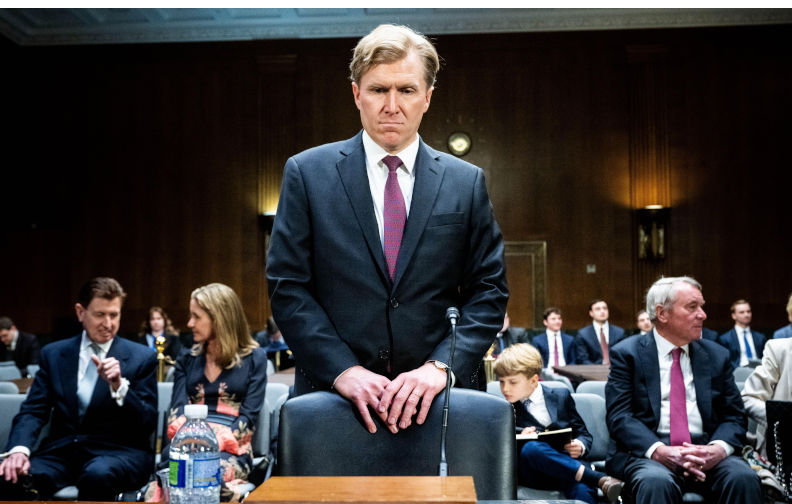
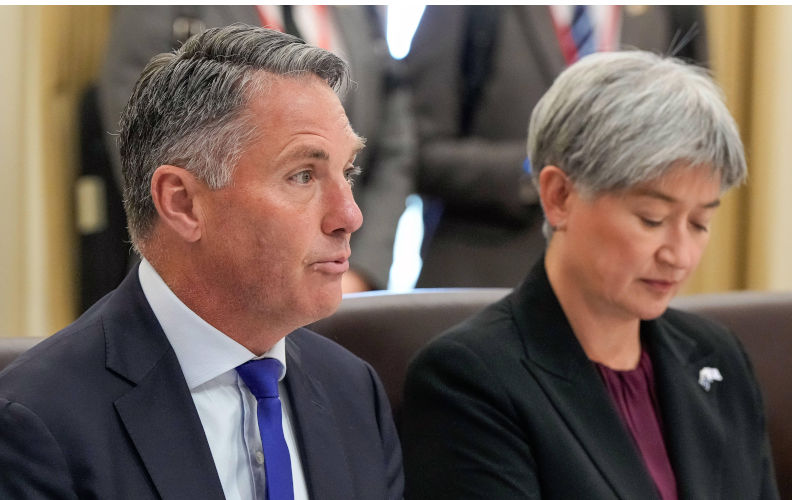
The Kentucky colonel who drives Australian foreign policy

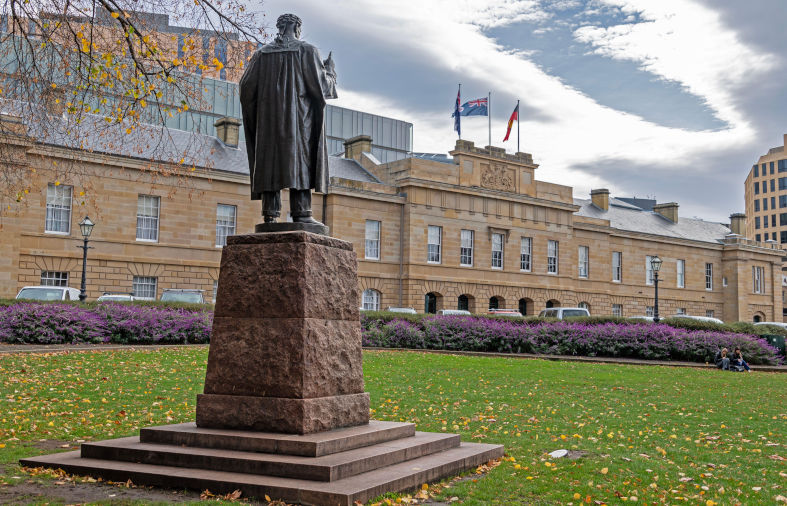
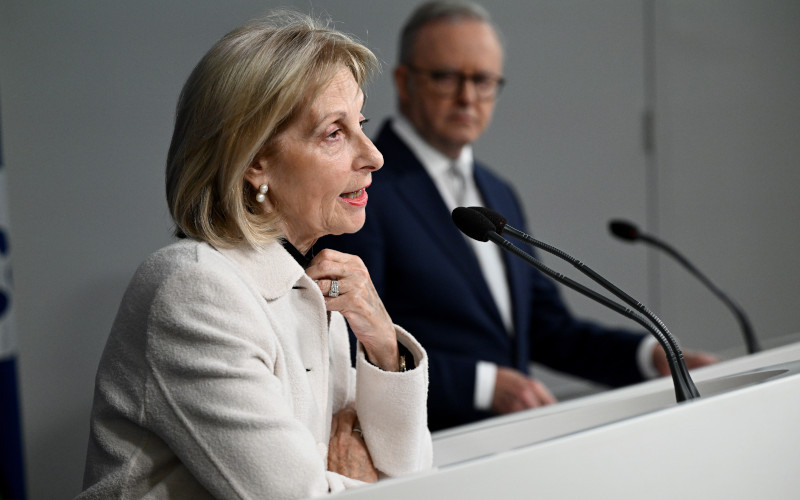
Australia’s foreign policy is being distorted by AUKUS, militarised thinking and a misplaced faith in US power, when the country should be rebuilding its diplomatic strength as an independent middle power.

If Support at Home is the answer, what is the problem?
Kathy Eagar, Susan Kurrie

If Support at Home is the answer, what is the problem?

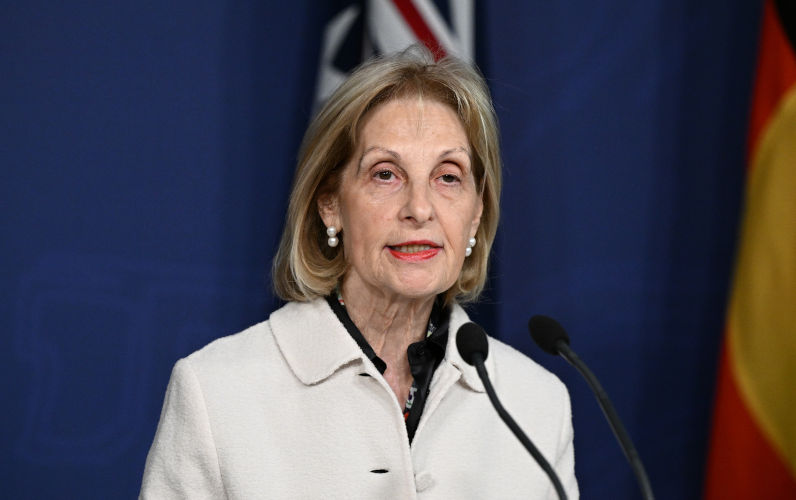
Support at Home was meant to transform aged care, but its assessment and funding model has left older Australians waiting too long, paying too much and receiving services shaped by budgets rather than need.

Zia Ahmad’s OAM honours a lifetime of community journalism
John Mahoney

Zia Ahmad’s OAM honours a lifetime of community journalism

This week Zia Ahmad – a regular contributor to P&I – became the first Muslim to receive the Medal of the Order of Australia for services to journalism – and the second member of his family to receive the nation’s highest civilian honour.


One Nation’s Trumpian threat
Crispin Hull

One Nation’s Trumpian threat

One Nation’s polling surge could create serious instability after the next federal election, with the party’s growing Senate prospects threatening to disrupt the balance of power and test Australia’s political institutions.

Could Texas really swing back to the Democrats?
Noel Turnbull

Could Texas really swing back to the Democrats?

Texas may still lean Republican, but shifting party identification, economic discontent and doubts about Donald Trump’s leadership are giving Democrats new reasons to believe the state could become competitive.

Challenging governments’ indifference to international law
Stuart Rees

Challenging governments’ indifference to international law

A public forum organised by Australians for Humanity brought together legal, political and human rights experts to examine why international law must be upheld consistently – from Gaza to Australia.

Decolonising democracy – part three
John Keane

Decolonising democracy – part three

In the third of an eight-part series, John Keane traces America's shift from being defender-in-chief of democracy to MAGA's denunciation of it.


John Menadue

Support our independent media with your donation

Pearls and Irritations leads the way in raising and analysing vital issues often neglected in mainstream media. Your contribution supports our independence and quality commentary on matters importance to Australia and our region.

Donate

Undersea warfare is moving faster than AUKUS
Derek Woolner, David Glynne Jones

Undersea warfare is moving faster than AUKUS

Rapid advances in lithium-metal battery systems, all-electric submarines and autonomous underwater vehicles are reshaping undersea warfare well before Australia is likely to deploy an operational nuclear-powered submarine force.

Trump urges Israel not to retaliate after Iran missile strikes
Al Jazeera Staff

Trump urges Israel not to retaliate after Iran missile strikes

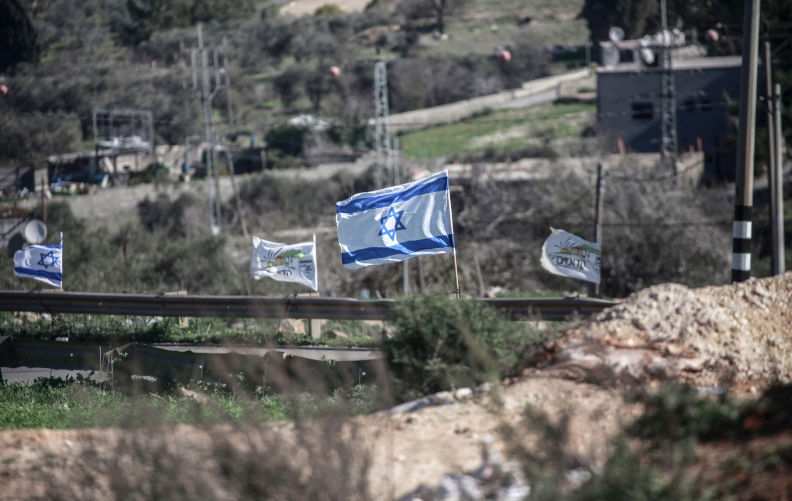
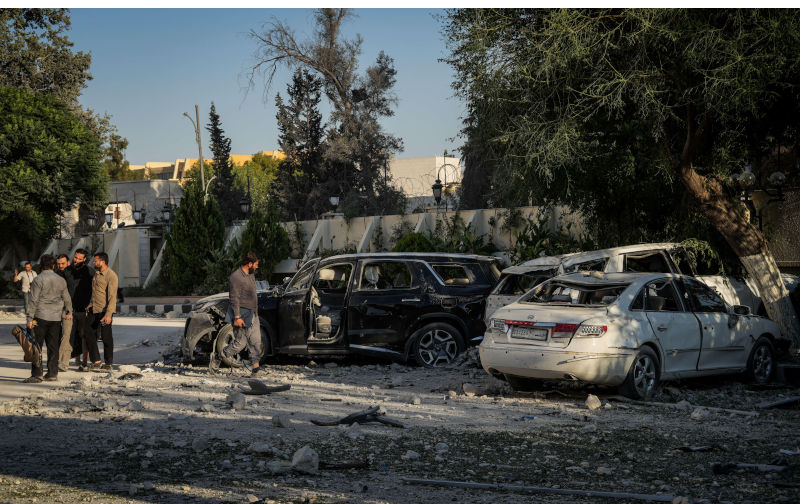
Iran has launched missile strikes towards Israel, calling the attack a warning over Israel’s continued assault on southern Lebanon and threatening broader regional action if attacks continue.

How governments move into Mafia – or Trump – territory
Jack Waterford

How governments move into Mafia – or Trump – territory

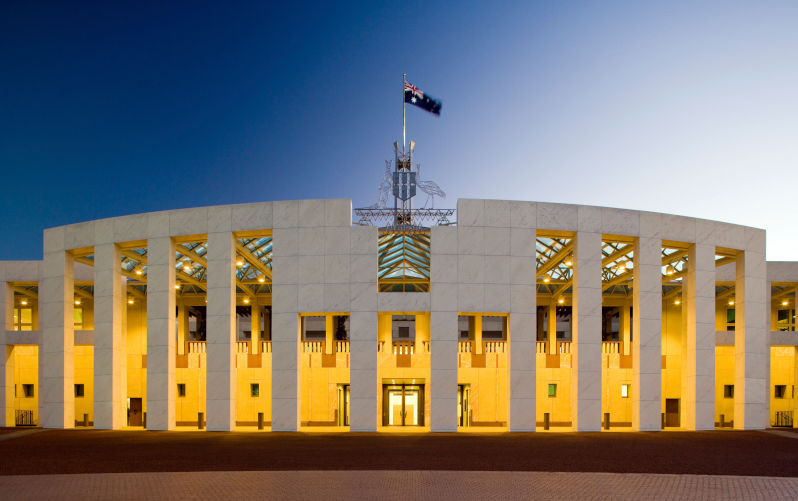
Australia’s crisis of trust is being deepened by opaque lobbying, revolving-door appointments, weak accountability and an insider culture that gives powerful interests privileged access to government.

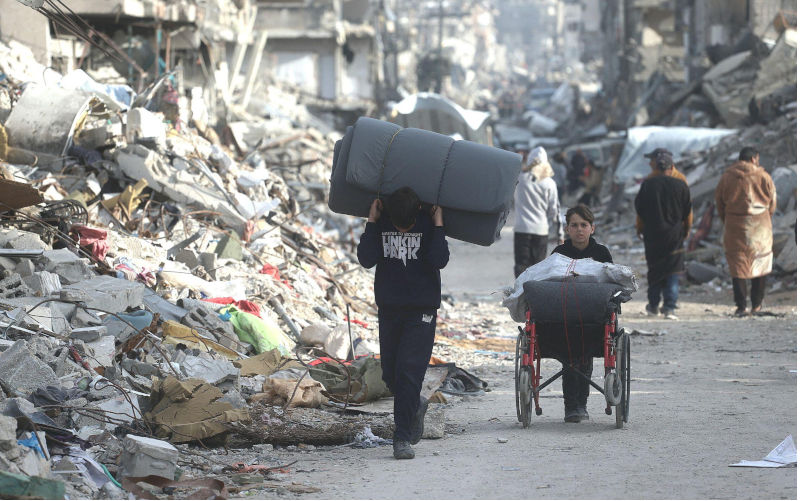
AFP urged to investigate Australians allegedly involved in Gaza genocide
Mohamed Ainullah

AFP urged to investigate Australians allegedly involved in Gaza genocide

Human rights organisations have referred evidence to the AFP, urging an investigation into whether Australian-Israeli dual nationals may have been involved in genocide, war crimes or crimes against humanity in Gaza.

The myth of the balanced budget
Mark Diesendorf

The myth of the balanced budget

A monetary sovereign government such as Australia’s does not need to balance its budget or borrow the currency it creates, provided total spending does not exceed the economy’s real productive capacity.

The students we aren’t seeing
Meg Schwarz

The students we aren’t seeing

Displaced Palestinians are seeking ways to continue their education. These aspirations need to be part of the screening process, which has become too focussed on risk.

Decolonising democracy – part two
John Keane

Reclaiming Democracy

Decolonising democracy – part two

In the second of an eight-part series, John Keane shows how the American empire deployed the idea of 'liberal democracy' to bolster its own interests.

Marwan Barghouti is the Palestinian leader peace now needs
Daoud Kuttab

Marwan Barghouti is the Palestinian leader peace now needs

A sustainable Palestinian-Israeli peace process requires leadership with real legitimacy among Palestinians, and Marwan Barghouti remains one of the few figures capable of uniting Palestinian politics behind a negotiated settlement.

The real question in school funding is where the money goes
John Frew

The real question in school funding is where the money goes

Australia’s school funding debate has focused on headline spending figures while obscuring whether resources counted toward the Schooling Resource Standard are actually reaching classrooms, students and support staff.

Trust US War Secretary Hegseth? Sure can't
Paddy Gourley

Gourley on Government

Trust US War Secretary Hegseth? Sure can't

Pete Hegseth’s Shangri-La Dialogue speech revealed the contradictions at the heart of Trump’s foreign policy: demanding allied military obedience while claiming to defend sovereignty, stability and freedom of choice.

US tech sanctions are making China’s tech giants stronger
SCMP Editorial

US tech sanctions are making China’s tech giants stronger

In this South China Morning Post editorial, Huawei’s latest chipmaking breakthrough is presented as evidence that US technology sanctions are accelerating China’s drive for self-reliance and innovation.

Decarbonisation is now being driven by cost, security and necessity
Saliem Fakir

Decarbonisation is now being driven by cost, security and necessity

In emerging and developing economies, the shift away from fossil fuels is increasingly being driven by energy security, affordability and economic pressure rather than formal climate targets alone.

Decolonising democracy – part one
John Keane

Reclaiming Democracy

Decolonising democracy – part one

In the first of an eight-part series, political theorist John Keane examines the effect of  disruptions to the world order on democracy and its future.

The “China threat” narrative says more about the west than China
Ronald C. Keith

The “China threat” narrative says more about the west than China

Much western commentary portrays Xi Jinping as a revisionist strongman bent on overturning the global order. A closer reading of Chinese political thought and diplomacy suggests a more complex emphasis on multilateralism, reciprocity and long-term stability.

Michael Jackson, funerals and the myth of the authentic self
Adrian Rosenfeldt

Michael Jackson, funerals and the myth of the authentic self

How we remember people does not fit easily into a therapeutic framework of suffering, confession and healing.

Why agreeable AI could weaken human connection
Anne-Marie Slaughter, Avni Patel Thompson

Why agreeable AI could weaken human connection

AI systems are useful problem-solvers, but their tendency to affirm users and avoid relational discomfort can undermine responsibility, repair and the human connections that give decisions meaning.

John Menadue's book on Israel's war against Gaza

Israel's war against Gaza

Media coverage of the war in Gaza since October 2023 has spread a series of lies propagated by Israel and the United States. This publication presents information, analysis, clarification, views and perspectives largely unavailable in mainstream media in Australia and elsewhere.

Download the PDF

Latest letters to the editor

Military incompetence arises without trace

Richard Llewellyn — Colo Vale

This article illustrates that the old dictum that failing to understand the lessons of history predicates repeating it. In this case, students of military history will immediately recognise the same path that produced the ‘Dreadnought’ race that was – while not as much a tangible cause as geopolitical shifts of the time – still part of the combative ambience that created the First World War. ‘My ship is bigger/more lethal etc. than yours’ became what we now call a trope – a competition of no effect on the outcomes or the progress of the subsequent warfare. The prosaic artillery exchanges...
Yes, men did most of the destroying

Fiona Colin — Melbourne

Julian Cribb tackles another environmental disaster – desertification – from a gendered perspective: “Empowering women to manage the world’s lands is one of the few truly pragmatic steps that humanity can take to save our civilisation from devouring its own future.” Just before COVID, a small group of Melbourne climate activists (women and men) held our mini version of Fridays for Climate. Most passers-by were supportive or determinedly indifferent, but one was neither. He just yelled “Too many women”. Around that time, Jane Caro wrote: “As our planet heats up, we desperately need men to realise that it is not...
The unnoticed casualties of undersea progress

Alyssa Aleksanian — Hazelbrook

As global citizens, we have been fortunate to witness David Attenborough’s groundbreaking documentary Ocean. Australia has signed the treaty to preserve 30 per cent of our oceans. And yet alongside this, we are signing up to launch more military hardware into our oceans, continue to open areas to deep sea mining and green light fossil fuel drilling of sensitive reef systems along our coastline. One would have to be dimwitted indeed to think that all of this incredibly noisy destructive activity is not putting sea life, especially those acutely sensitive mammals, such as whales, dolphins and turtles under further threat....
Things run better under a benevolent dictatorship

Bob Pearce — Adelaide SA

The old saying remains true and the significant word is not dictatorship its benevolent. The feeling that we are all in this together is what, its not the system that is the driving force behind stability it's the benevolence, its the feeling that even if you're a little worse of than your neighbour if you work hard you will get there and your neighbour wont get in your way. Will help . .When you're struggling and you see the multi-million dollar wages and some of the mansions, luxury yachts and cars of others who pay little or no tax that...
Karmic justice in the polls?

John Leonard — Canberra

Although the recent eclipse of the Liberal-National Coalition ('the Liberal bloc' in Kos Samaras' article) by One Nation in the polls, and its defeat in the Farrer by-election, are extremely gratifying for those of us who believe that ‘what’s bad for the Liberal party is good for Australia’, I wonder if something more isn’t in play. Perhaps it might be karmic justice: after all the Liberal-National Coalition is the one party in history in a Westminster system that has participated in and benefitted from a coup d’état, and has never acknowledged this fact, or apologised for it. The illegality of...
Cuba and Haiti and the elites have never forgiven

Hal Duell — Alice Springs

It is depressing watching the US up the pressure on Cuba, but not surprising. That this is happening when the US Secretary of State is a self-styled Cuban refugee is also not surprising. But Cuba does not stand alone in the Caribbean crosshairs. Haiti has been there for years. The link between these two independent nations is that both achieved their independence by militarily overthrowing their western rulers. Haiti threw out the French two centuries ago, and Cuba tossed the US out half a century ago. Former slaves in the first case and descendants of former slaves in the second,...
Zionist Royal Commission

David Griffiths — Mordialloc VIC 3195

It is not surprising that the Royal Commission's primary interest is to reflect and reinforce the Zionist agenda - as it and Federal Labor are captive of the Zionist minority in Australia. The Interim Report is an example of this capture. The interim Report should have included an initial assessment of antisemitism - what it is and what it is not. It should also have included a summary of submissions received - and the differences that they reflect. But, the Royal Commission does not want to encourage debate about the meaning of antisemitism and the broader issue of free speech....
The deeper story

David Griffiths — Mordialloc VIC 3195

There is an even deeper issue as discussed by Peter Van Onselen in The Hollow State - Power Without Purpose in Australian Politics ( 2025) - an Australia of competing government managers that are devoid of values. He argues that the hollow state is dominated by tactics over strategy, image over integrity and short-term wins over long-term outcomes. The ALP and LNP are increasingly unable and unwilling to provide a believable vision and narrative and the consequence of this is that in despair increasing numbers of voters are tempted to support Reform in the UK and One Nation in Australia.