Does AI mean more uni students are plagiarising their work?
Long-term research suggests student plagiarism has declined over two decades, despite concerns about AI. But more than half of students still engage in it at some point.
Recent articles in Education
2 April 2026
School funding is undermining equality and cohesion
Australia’s school funding model is widening inequality and weakening public education. Without reform, it risks undermining social cohesion, productivity and democratic stability.

31 March 2026
When charity no longer means need
Australia’s charitable framework now rewards compliance over need, allowing well-resourced institutions and contested activities to sit alongside genuine relief of disadvantage.
30 March 2026
Half the truth: defending public education requires more honesty, not less
Criticism of public schools is not entirely wrong – but by ignoring unequal conditions, it misdiagnoses the problem and misplaces responsibility.
27 March 2026
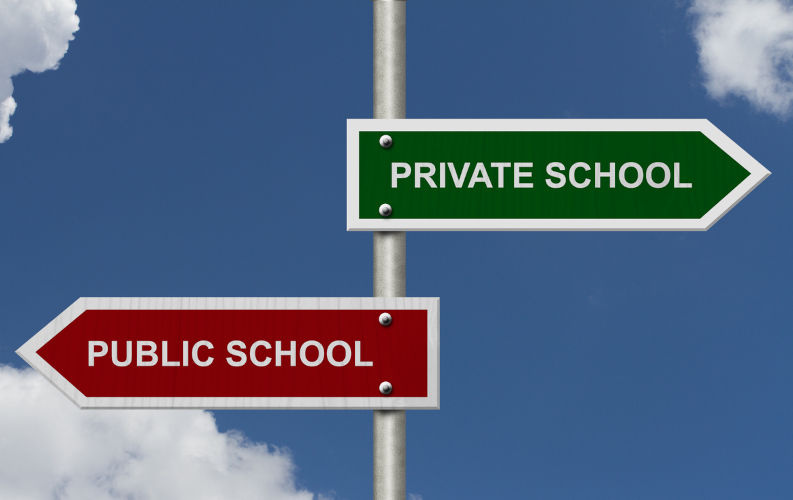
Underfunded public schools, overfunded private ones – the gap grows
Private schools are pulling further ahead as funding policies deepen inequality across Australia’s education system.
20 March 2026
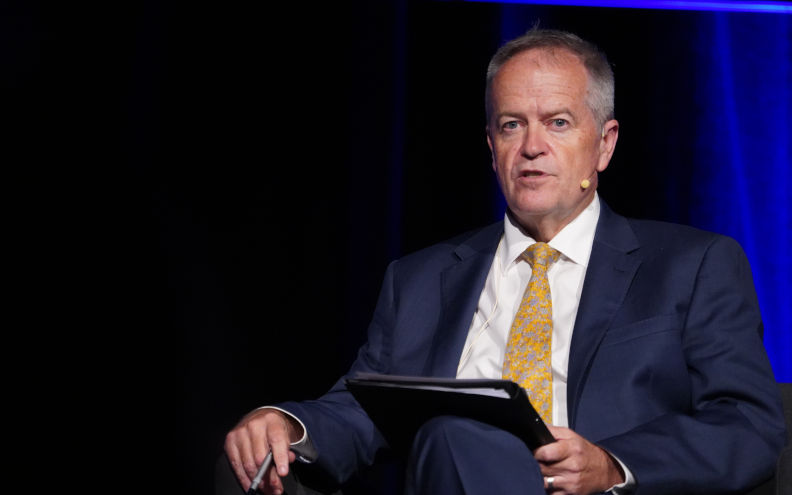
Bill Shorten’s university proposal breaks the deadlock – but design will decide its value
Bill Shorten’s proposal for a university fund tackles a long-standing funding problem – but its impact will depend on how it is designed and delivered.
14 March 2026
Prevention that pays: stop ranking children and start understanding them
Standardised testing and rankings dominate school systems, but improving student wellbeing and engagement requires deeper integration between education and health support.
10 March 2026
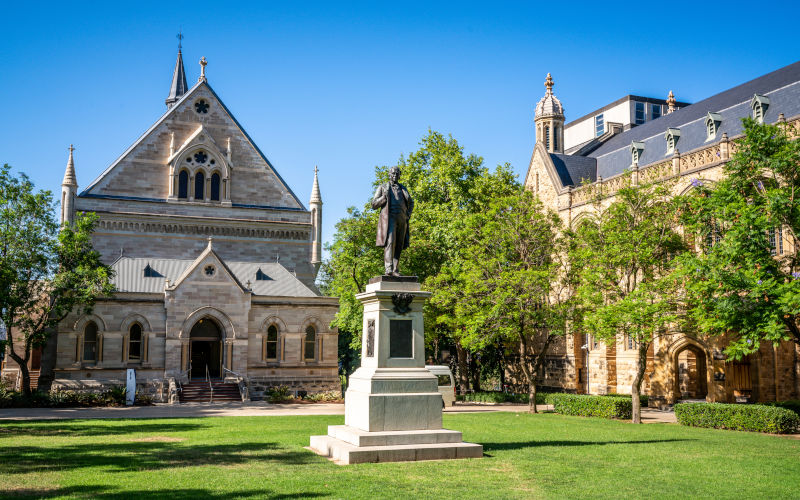
The Albanese controversy shows how universities have lost their way
A cancelled venue for a UN rapporteur’s appearance highlights how universities are increasingly restricting debate about Israel and Palestine under pressure over antisemitism.

3 March 2026
Abbott’s finger pointing on overseas students is pure hypocrisy
Tony Abbott blames record numbers of temporary residents and international students on recent governments. But policy changes introduced and maintained under his own leadership played a central role in driving that growth.
2 March 2026
Regions, not postcodes: the structural reality of rural public education
Educational disadvantage in Australia is often framed as urban or socioeconomic. But across regional and remote communities, public schools operate with structurally thin staffing, services and support – and the consequences are cumulative.
20 February 2026
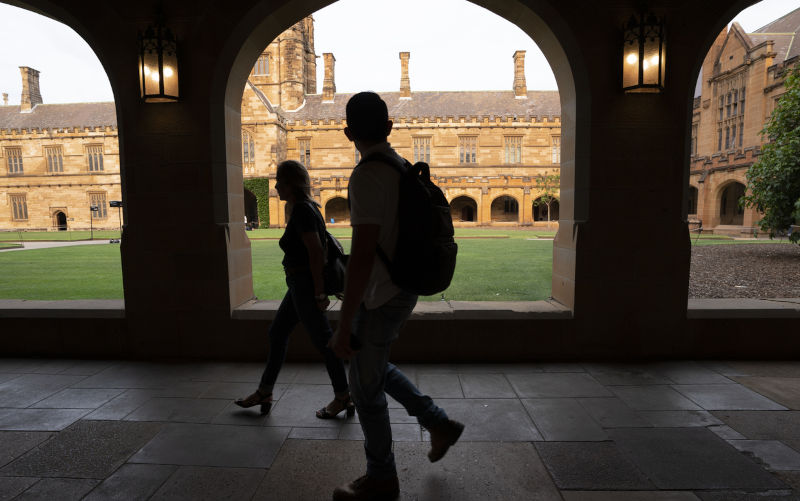
Universities expose racism’s scale – and the dangers of unequal responses
New national data shows racism is widespread across Australian universities. The challenge is responding fairly, without elevating one community’s suffering over another’s.
18 February 2026
How elite private schools distort Australia’s teaching workforce
Fees charged by elite private schools go on rising. But who is paying the price?
4 February 2026
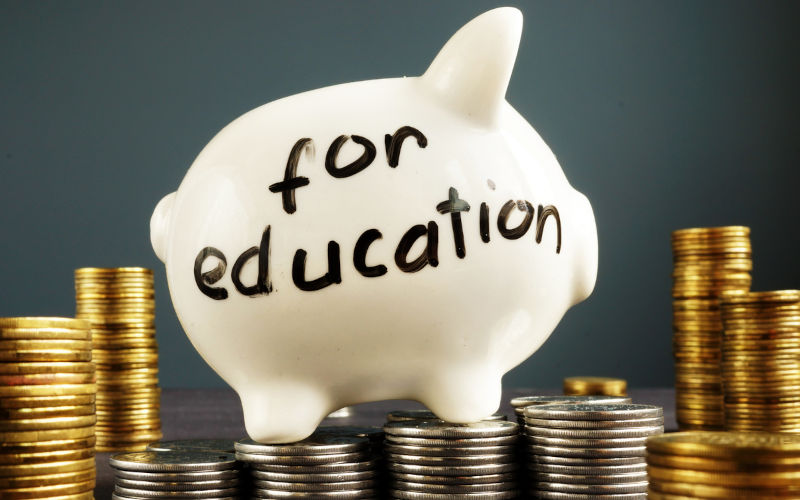
Education savings plans and the quiet erosion of public schooling
Education savings schemes appear sensible and responsible. But their quiet rise reflects a deeper failure – a loss of confidence in Australia’s commitment to properly fund public education as a shared civic good.
Catch up on other sections
More from Education









11 October 2025
Almost no Australians study Chinese any more. That’s a problem



27 September 2025
Productivity and innovation needs business' own investment in skills

15 September 2025
School funding: Time to break the mould and build a new model