Raghid Nahhas's recent articles

6 March 2026
Australia needs to read its own geography
As Australia deepens its alignment with Washington through AUKUS and expanded military integration, it risks compromising the regional trust and autonomy that underpin its long-term prosperity and security.
20 February 2026
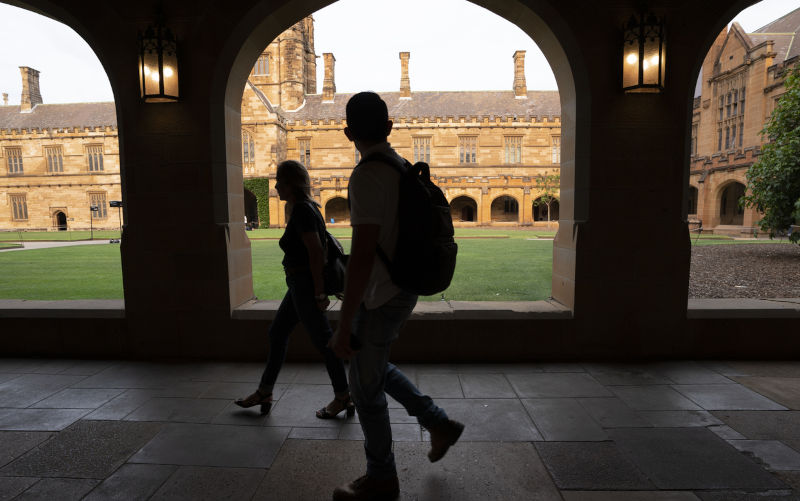
Universities expose racism’s scale – and the dangers of unequal responses
New national data shows racism is widespread across Australian universities. The challenge is responding fairly, without elevating one community’s suffering over another’s.

11 February 2026
Inviting a foreign president to Bondi’s commemoration divides rather than unites
Inviting a foreign head of state to commemorate an Australian tragedy blurs citizenship, religion and geopolitics – and risks undermining social cohesion at a moment that demands unity.

17 January 2026
Censorship doesn’t silence – it amplifies
Attempts to silence writers rarely erase them. More often, they expose insecurity, deepen division, and turn targets into symbols of resistance.
14 January 2026
Best of 2025 - The three core myths driving Israel’s war on Palestine
Israeli journalist Gideon Levy, one of the most outspoken moral critics within Israel itself, once summarised what he called the “three core values of Israeli society”: the belief that Jews are the chosen people; that they are the world’s ultimate victims; and that Palestinians are not equal human beings.
20 December 2025
What the Bondi Beach tragedy reveals about Australia’s political faultlines
In the aftermath of the Bondi Beach attack, grief was quickly accompanied by political demands that blurred the line between combating antisemitism and suppressing dissent, with troubling consequences for social cohesion and civil liberties.
7 December 2025
When machines make the art, what’s left for human creativity?
As AI and automation take over more of the labour once central to artistic practice, creativity is shifting from making to selecting. The question is whether human expression survives that shift – or slowly withers.
5 December 2025
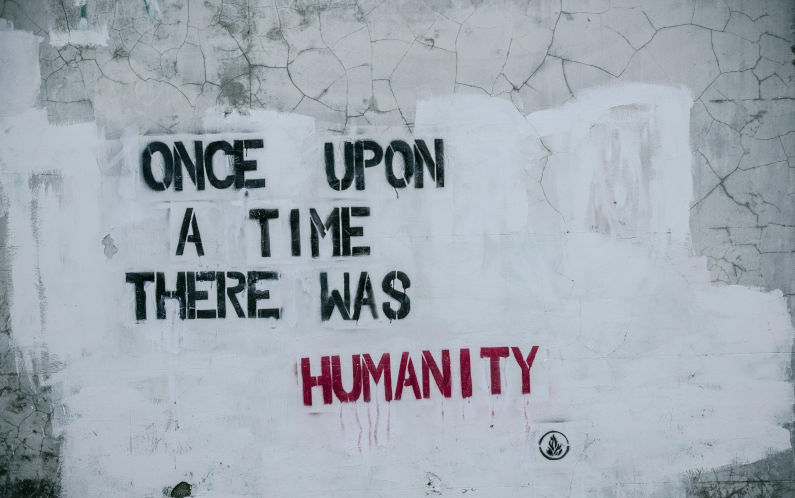
Celebrating war crimes is a moral failure, not cultural pride
From ancient Rome to modern Melbourne, societies have repeatedly transformed civilian suffering into spectacle. Celebrating violence against the innocent is not a cultural quirk – it is a profound moral collapse.
28 October 2025
The three core myths driving Israel’s war on Palestine
Israeli journalist Gideon Levy, one of the most outspoken moral critics within Israel itself, once summarised what he called the “three core values of Israeli society”: the belief that Jews are the chosen people; that they are the world’s ultimate victims; and that Palestinians are not equal human beings.
23 September 2025
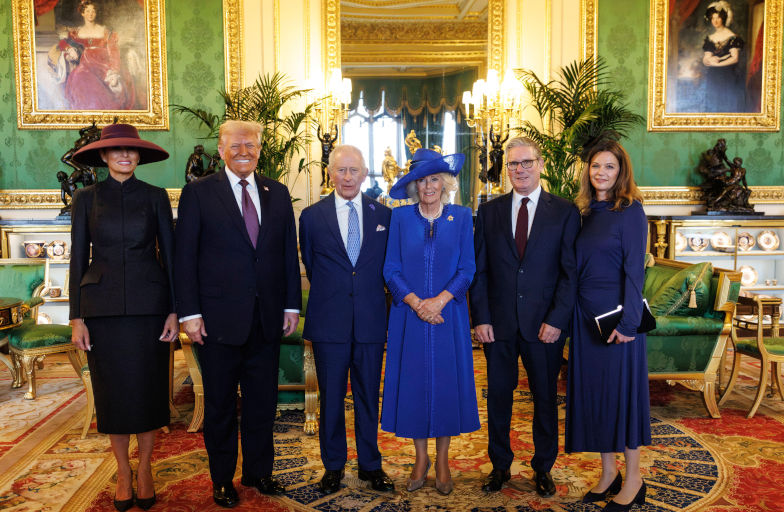
Royal banquets, political scripts and the Gaza tragedy
When King Charles III hosted President Donald Trump at a state dinner, the evening was, at least formally, meant to celebrate the bond between two allies.
13 September 2025
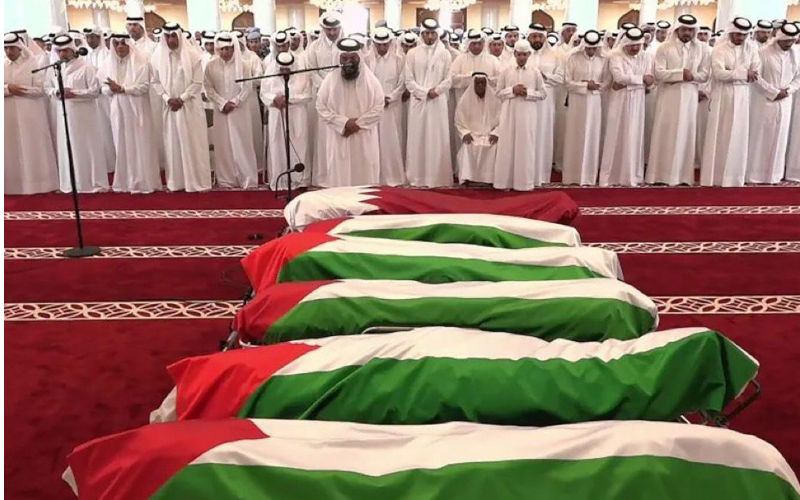
From 9/11 to 9/9: How recent events reshaped understandings of power and deception
On 9 September 2025, Israel struck Qatar. Two days later, the world marked the anniversary of the 9/11 attacks on the United States.
9 September 2025
'Like us': Australia’s uneasy dance with immigration
Over dinner on a recent group tour in Australia, conversation turned to the wave of anti-immigration demonstrations and political statements that have flared across the country.
28 August 2025
Israel and its allies: When friendship means silence
Israel frequently presents itself as a nation surrounded by hostility, relying on close alliances with Western countries for both security and legitimacy.
23 August 2025
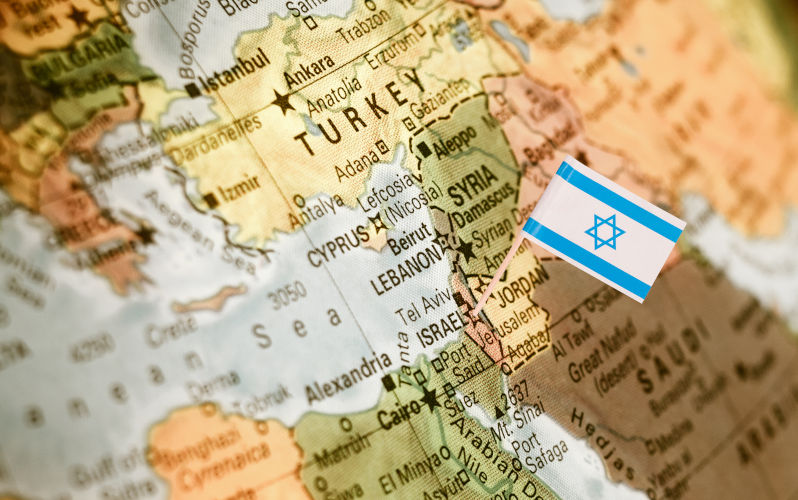
Israel, the 'only democracy in the Middle East' – How to win elections and erase people
Israel frequently touts itself as “the only democracy in the Middle East” – a refrain echoed by Western leaders, particularly in the US and parts of Europe.
11 August 2025
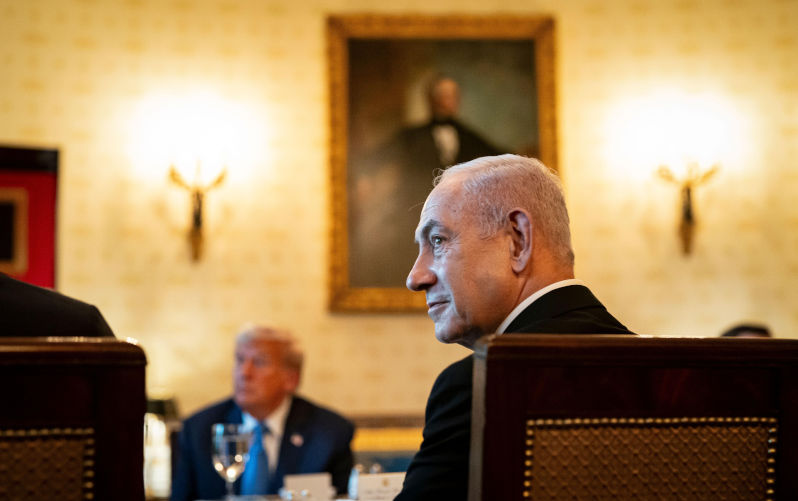
When war criminals are nominated for the Nobel Peace Prize, what does 'peace' even mean?
In 1939, a member of the Swedish parliament nominated Adolf Hitler for the Nobel Peace Prize.
30 July 2025
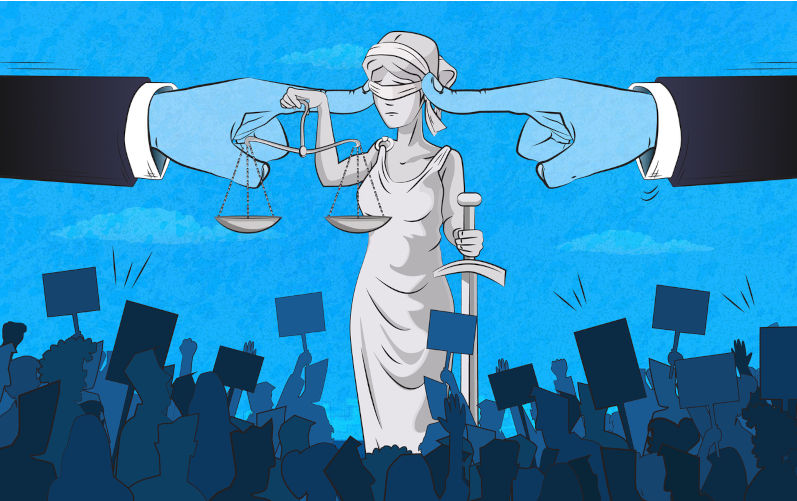
International law not only abused – but abandoned
As the world watches the destruction of Gaza unfold in real time, the legitimacy of international law faces a crisis more profound than any it has seen since its post-WWII codification.
26 July 2025
From steam power to silicon: the unequal legacy of empire and innovation
From the steam engine to the internet, many of the world’s most significant scientific and technological advancements have emerged during the height of powerful empires. The British Empire—and more recently, the United States—have stood at the forefront of this global transformation.
5 July 2025
The magic of the mandate: Now you see it, now you don’t
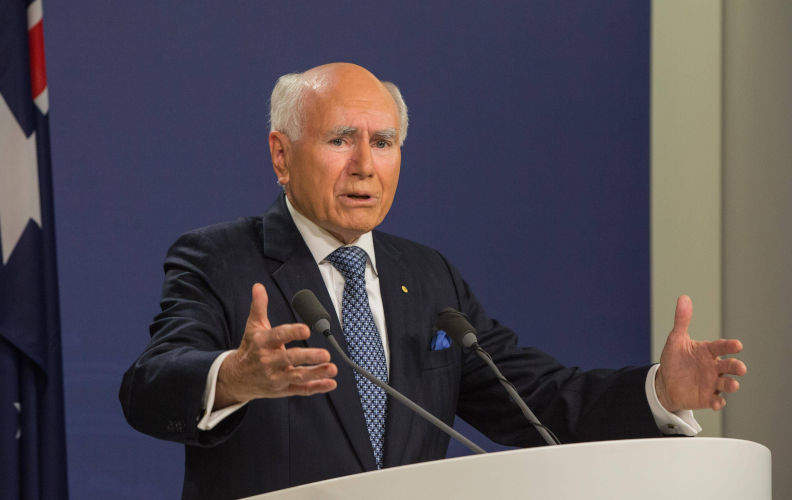
In 2003, then prime minister John Howard committed Australia to the US-led invasion of Iraq.

20 June 2025
Speaking out from within: Jewish voices confront Israeli aggression
As Israel's military campaign in Gaza reaches unprecedented levels of destruction, a global wave of protest has emerged.
17 June 2025
Why targeted measures on Israeli officials won’t stop the war in Gaza
On 14 June 2025, five Western nations — Australia, New Zealand, Canada, Norway, and the United Kingdom — jointly imposed sanctions on two senior Israeli ministers: Itamar Ben-Gvir and Bezalel Smotrich.
12 June 2025
Australia should use its power as an independent voice to push for peace
Australia occupies a unique position in the global landscape, bridging East and West both geographically and culturally. Yet it continues to underuse its potential as an independent, peace-building voice in international affairs.